This is probably the most important video I will make. It concerns the impact of punishment, alone, in relation to behaviours of concern exhibited by children and young people. Please stay tuned for the whole video to hear the important message I wish to convey. If the video is meaningful to you, please consider giving it a “thumbs up” and subscribe to my channel. Happy to receive your thoughts too.
Transcript
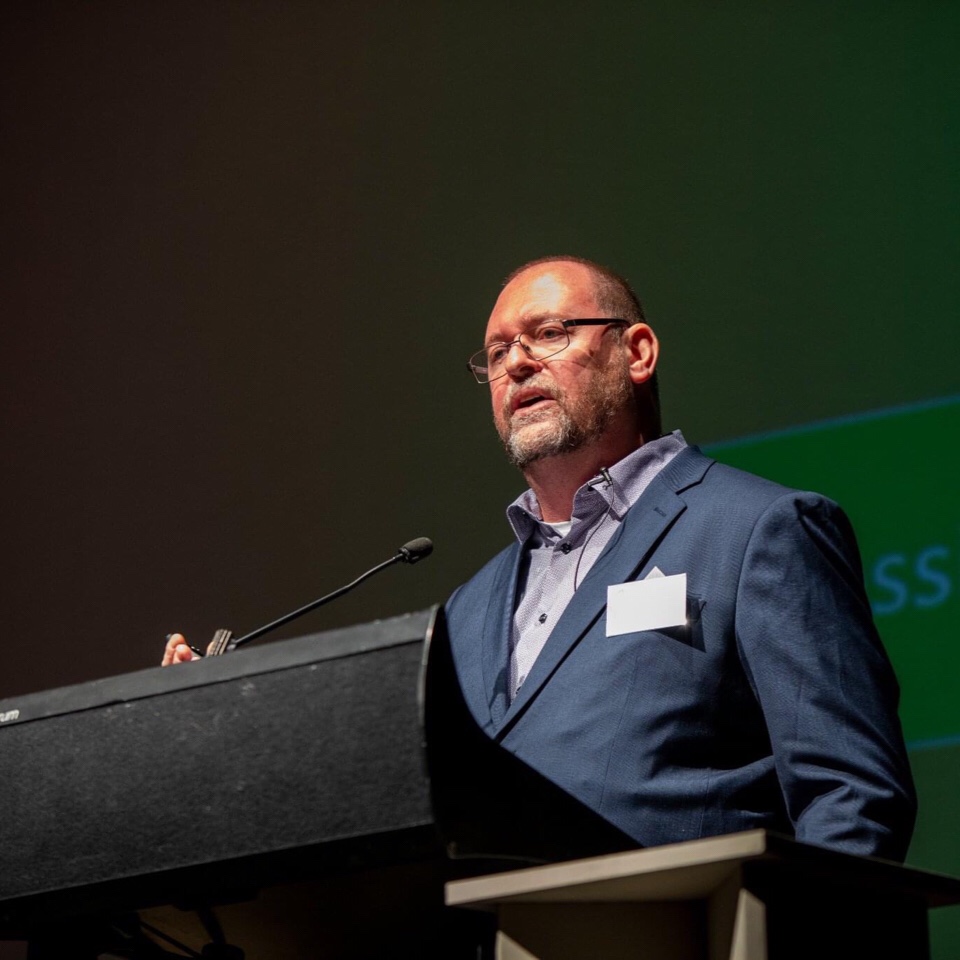
Hi, I’m Colby Pearce. This is probably going to be one of the most important videos I will ever upload to this channel and it concerns how we respond to children and young people when they exhibit behaviours of concern. So please stay tuned for the whole video to hear a very important message that I wish to convey.
I’m going to start with an idea and that idea is that people do not act for no reason. There is always a reason.
They may act in response to an idea.
They may act in response to an emotion.
They may act in response to the feeling of a need that needs to be satisfied.
They may act in response to something that occurred in their environment.
They may act because the way their brain developed impairs their capacity to inhibit a response in the presence of a trigger.
If we accept as truth the idea that people do not act for no reason, then we must also accept that when we punish a child without any effort to understand the reasons for their actions, then we are essentially communicating that their thoughts, their emotions, their needs, their experiences and their biological characteristics are unimportant and invalid. Repeated often enough, the child or young person will come to believe that they are unimportant and invalid.
The consequences of invalidation include behaviour problems, emotional problems, preoccupation with needs and a lack of regard for the impact of one’s behaviour on others and one’s relationship with others. Essentially, what I’m saying here is that the punishment perpetuates the behaviour.
We can avoid perpetuating the behaviour or behaviours that are concerning us by responding with understanding to the reasons for those behaviours and in doing so, nourish connections with the child that support regulation in consideration of the impact of one’s own behaviour on others and a positive approach to life and relationships.
Thank you for watching this video through. If the content of this video was meaningful for you, please consider liking it and please also consider subscribing to this channel. Thanks again.



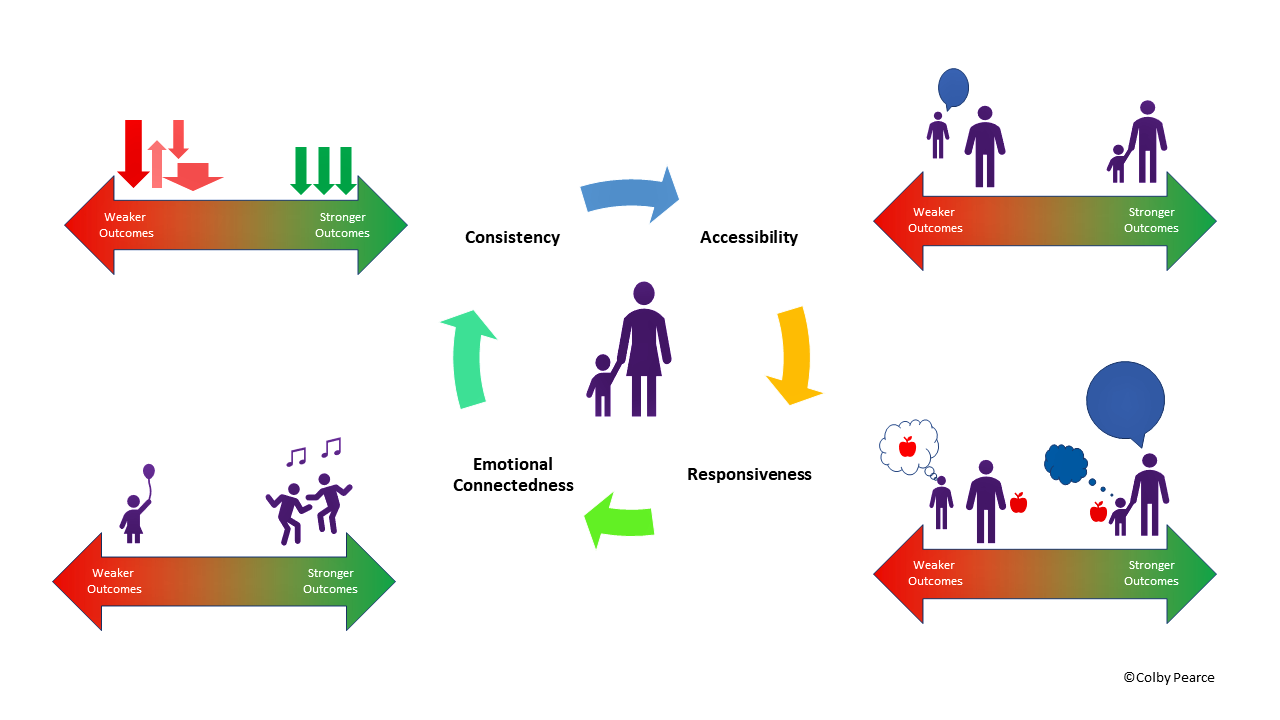




 Attachment and Resilience
[heart] McCauley, Jane (Moonta Area Sc… reacted to your message:
Thank you
Hi Colby, thanks for sending this. I like it a lot and with your permission will show it in some of my training sessions. Hope all’s well with you and yours. Sundry trials and tribulations here but we shall overcome! All the best, Robin
Hi Robin. You have my permission, gladly. Hope all is on the mend. Best wishes.