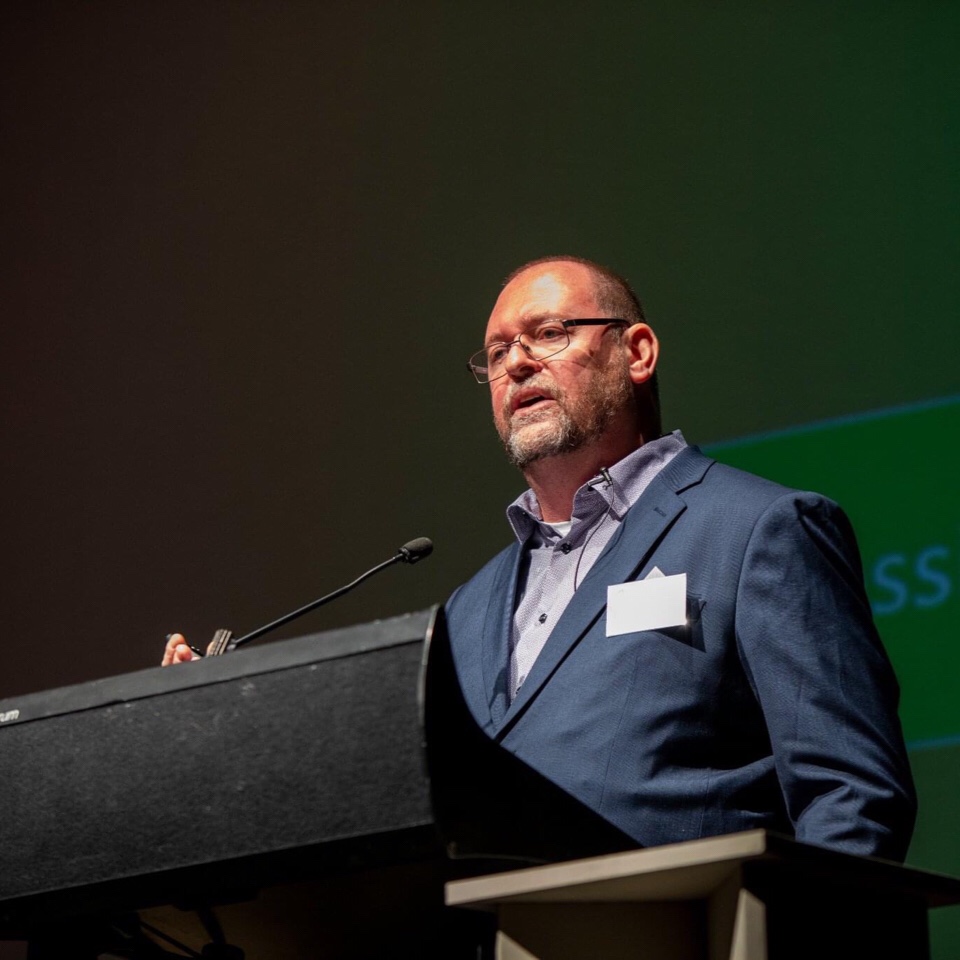
This is the second of what I plan to be a series of short videos about my thoughts on psychotherapy service delivery, with a special focus on service provision to children and young people who have experienced relational and developmental trauma.
In this video I speak about what psychotherapy is and the first instalment of the therapeutic framework that informs my approach to psychotherapy service provision with deeply hurt and troubled children and young people.
Transcript
This is the second of a series of diary entry type videos that I’m making about psychotherapy process, and in particular, psychotherapy process with children and young people who are recovering from a tough start to life. Amongst my client group, these are children who have experienced developmental slash relational trauma at home with mum and or dad, such that they couldn’t be safely cared for at home.
In part one of this series on case noting, I talked about the importance of having a theoretical framework that you’re working to. And I alerted to that I will talk more about this in subsequent videos.
Now, the definition that I like to use for psychotherapy is that it involves the application of psychological knowledge and techniques to the therapeutic remediation of a client’s presenting difficulties. I have an overall theoretical framework, the AAA model, which you can read about on my web and blog sites and in my books. AAA stands for attachment, arousal, and accessibility to needs provision.
In terms of attachment, which I’ll talk about briefly here now, the majority of my clients have been deeply hurt in the context of their primary dependency relationships. And indeed, some have also been hurt again and again as placements have become troubled and broken down and they’ve cycled through placements in the out-of-home care system. So by the time they come to see me, they’re often highly defensive about relational connection. And this tends to be at the heart of the presenting behaviors of concern for which they are often referred to me.
So alongside defensiveness about relational connection, the children and young people that I see present with a set of internal working models or attachment representations as I refer to them. So these are beliefs deeply and generally subconsciously held about self, other and world that influences the way in which the child or young person approaches life and relationships.
Now, we all have a spectrum of beliefs from positive beliefs about self, other and world, commonly referred to as secure attachment representations or secure working models, interning working models, down to very disordered ones at the other end of the spectrum. And we all just move backwards, forwards a bit along that spectrum. And we’re relatively under the influence of positive and negative beliefs, depending really on what’s happening in our life contemporaneously and what’s happened in the past, in particular, in past relationships.
So a person who’s had a conventional nurturing upbringing, they predominantly sit up the secure end of that spectrum of attachment beliefs. A person who’s had very difficult and traumatic upbringing primarily sits down the needy end. So this is how the children and young people that I see present. And as I said, their behaviors of concern that they are referred to see me for stem from these negative beliefs about self, other, and the world.
So in terms of the methods that I use to address that, I’m just going to touch on them very briefly and I can expand upon them in another video. The first is, I think of the impacts of relational trauma as being a bit like a phobia, where the phobia is relational connection. So our children and young people present very defensively about relational connection and exhibit a range of transferential behaviors that are problematic in terms of their contemporary relationships. So in psychotherapy service provision, I deliver what psychologists and others know to be the best methodology for, the most evidence-based methodology for addressing a phobia, which is exposure, graded exposure. So I deliver in a graded way, exposure to relational connection, building up to quite an enriched experience of relational connection for the young person that is alongside that, experienced as fun and safe and satisfying for them. So exposure is a key component.
The other thing that I do, and bearing in mind the child or young person’s often subconsciously held negative attachment beliefs about themselves, other people and their world, I intend to facilitate during therapy experiences that directly challenge that, directly challenge the idea that they’re unworthy, unacceptable and incapable, directly challenge the idea that adults are unkind, unresponsive, untrustworthy, and that they’re unsafe in the world. Now I do that through play and other activity. It needs to be about the child or young person’s experience of the interaction, more so than what we say to them about their worth, the trustworthiness of others and their safety in the world.
They’ll easily discount the things that we say about those topics. They find it harder to discount direct experience that they are a worthy, acceptable, adequate and competent child or young person, that adults are kind and understanding and can be trusted and that they can be safe in the world.
So I think this video has gone a little bit longer than I intended it to. So I think I’ll sign off here, but do look out for my next video where I’ll talk a little bit more about theoretical framework and methodologies associated with that. And perhaps two or three down, we’ll talk about the importance of the theoretical framework in informing what we’re looking for in terms of meaningful change. So desired outcomes.









 Attachment and Resilience