Preamble
Taking on the care of a young person whose parents were finding life hard, such that their care was inadequate, presents some common challenges for the adults responsible for their contemporary care. These challenges stem from circumstances in which important needs and experiences were met inconsistently, and unpredictably. This impacted the development and learning of the young person in a number of important ways.

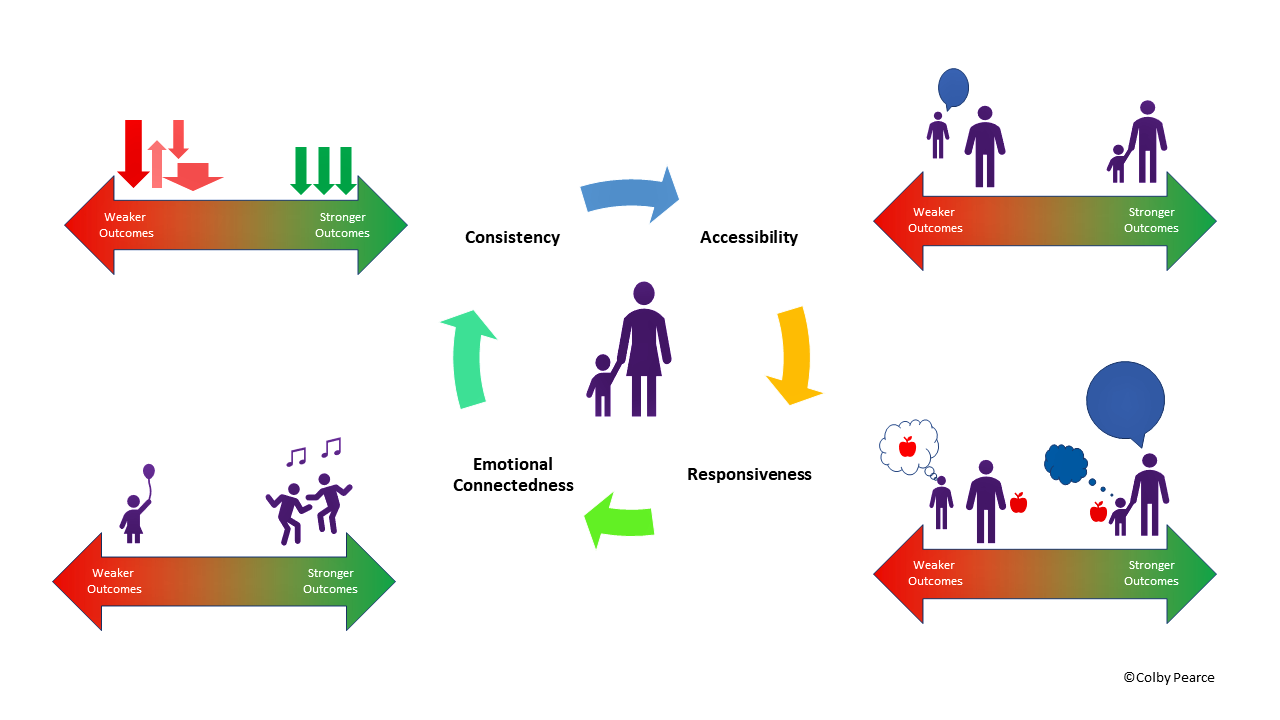
Probably the most important impact was the young person learning that they cannot always rely on adults in a caregiving role to understand and respond to their needs, reliably and predictably. Rather, their learning was that you have to work extra hard to get your needs met. In fact, their learning was that they had to take control to get a response from their parents. In the most inadequate of circumstances, the young person learnt that you need to take care of your needs yourself. In the CARE Curriculum we refer to this as Accessibility to needs provision.
Another important impact was the way the young person sees themselves and adults in a caregiving role after experiencing inadequate care from their parent or parents. Too often, the young person sees themself as undeserving of parental care and responsiveness, and views adults as untrustworthy and uncaring. This compounds the behaviours referred to above, and also means they are more likely to attend to their needs themselves (eg taking food without permission; hoarding and hiding food; gorging themselves). In the CARE Curriculum, we refer to the young person’s beliefs about self, other and world as having to do with Attachment.
Finally, young people who experienced inadequate care before they came to your home are likely to have had prolonged periods of distress and having been inconsistently soothed. This leaves them with a sensitised nervous system that is chronically heightened. In the CARE Curriculum, we referred to this as heightened Arousal.
This is the Triple-A Model, which we use to help us understand what is going on for the young person. In turn, this helps us know what strategies to implement.
A final thing to know is that the combination of negative appraisals of the world (and one’s place in it), and heightened arousal, is Anxiety. Always anxiety. So Anxiety is a common place to start when considering why the child is exhibiting behaviours of concern, and what to do about them.
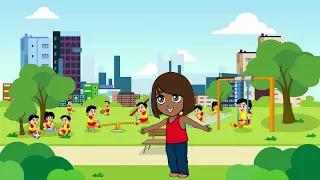
Finally, Let me introduce you to Bella. Bella’s role is to explain the content of this article, and the needs of the young person in your care, from their perspective. You can watch Bella in the videos at the bottom of this article, or read what she has to say in the text. Do have a look. What a young person has to say is really important!
Step Number 1: House Rules/ Non-negotiables (aka “boundaries”)
Young people need adults to be in charge. They also need adults to set and maintain clear boundaries. They draw comfort from these things, which reduces their arousal and proneness to anxiety-based behaviours (including controlling behaviour). Through their adult caregiver(s) being in-charge, the young person understands that they can depend on their caregiver(s) to care for them and protect them in tough times.
So set some house-rules; three or four things, modelled by you, that everyone must comply with. It is not too important what they are. What is more important is that they can be applied consistently to everyone, and over time. Any inconsistency will aggravate the young person and activate their internal lawyer; speaking out against the unfairness of it all. In these latter circumstances you run the risk of losing prestige (and control).
Step Number 2: Allow the young person some control
Young people recovering from a tough start to life need to feel in control. This relieves their chronic anxiety and supports feelings of safety. As a caregiver, the young person needs you to support them to feel in control.

One method I favour is “controlled choices”. In this method, the young person is offered a choice between two options; such as between having a bath or shower, or between cleaning their teeth or washing their face first, or between playing a game of Uno or a game of Go Fish, or between holding the left hand or the right hand when crossing the road. The important part of this strategy is that you choose the choices. In doing so, the choices on offer must be ones that you can accommodate, whatever the young person chooses.
Other ways to support feelings of being in control include:
- Nominating one night of the week where the young person chooses what’s for dinner
- Having the young person choose the snacks that go in their lunch box
- Nominating one night of the week where the young person chooses what you watch on TV
Step Number 3: Support the young person to relinquish control
Remember, the young person in your care is prone to anxiety, and being in control helps relieve this uncomfortable emotion. It is an important way for them to feel safe, and they will not readily give it up. Rather, we need to gradually expose them to relinquishing control, in circumstances where nothing bad happens and they will be safe. In psychology, we refer to this as graded exposure and habituation, and it is a very effective way to relieve anxiety and associated controlling behaviour.
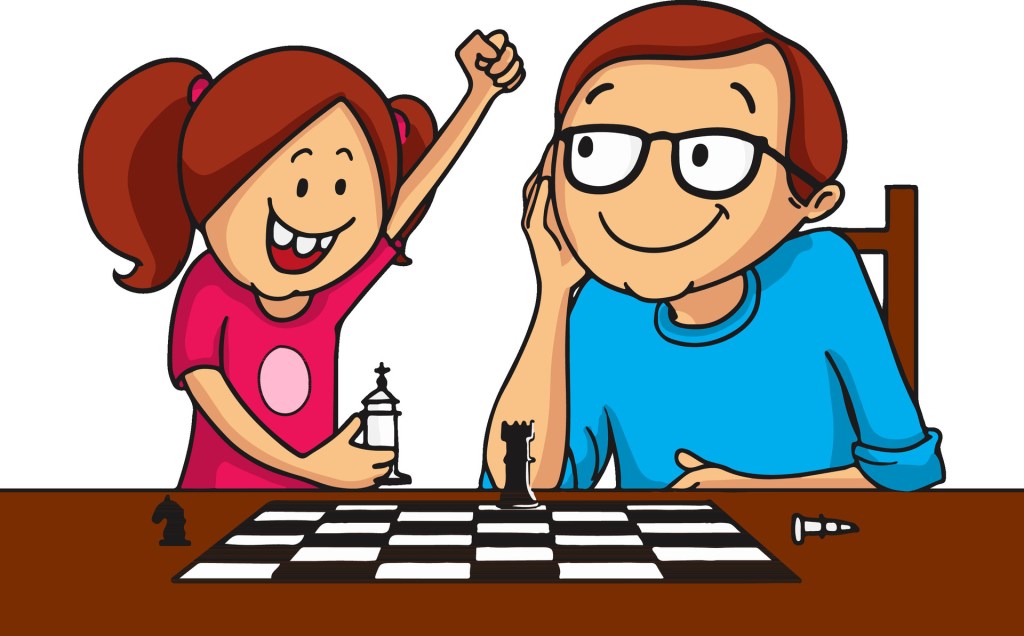
I have found that one of the best ways to help a young person to relinquish control safely, such that it comes more easily to them, is to teach them a new skill or activity. It has to be one that they are really interested in learning. A lot of directions and instructions from you, but not too many, that they have to comply with in order to be successful at the activity.
An example of such an activity is the board game, Chess. I have found that most young people who do not already know how to play chess want to learn. The beauty of chess is that it has lots of rules, and the child needs to comply with them in order to play successfully. Other activities include art and craft, cooking, riding a bike, looking after a motorised object, and the like.
Implemented consistently, this strategy will help the young person to learn that it is safe to relinquish control to you, without anxiety.
Step Number 4: Respond therapeutically to defiance
No matter how effective the previous suggestions are, you are likely to encounter defiance some of the time. In my experience, the time when you are most likely to experience this is when you ask the young person to do something. The important part here is that you asked them.

If you encounter defiance when you ask the young person to do something, it is likely that this is because you asked them. You see, when you ask them to do something, they think they have a choice; to comply, or not to comply. When you subsequently insist, they are likely to think that you are being unreasonable and untrustworthy, because you ‘gave them a choice’ and then reneged on this.
Rather, whenever you want the young person to do something, and compliance is non-negotiable, I suggest that you politely direct them. Say something like:
- Just put that in the bin for me, please.
- Put the Lego back in the box, please.
- Turn the TV off, please.
- Come and sit with us for dinner, please.
Such polite directions do not start with ‘can’ or ‘will’. No choice is conveyed to the young person. In such circumstances, I recommend you help the child be compliant, or walk away as if compliance is a given. You can also deploy this strategy when you notice the young person performing an action that you approve of. Simply direct them to perform the very action they are doing, and thank them for doing so!
Step Number 5: Remember your AURA
Remember, the young person in your care needs you to be in charge, and to know that they can rely on you. Communicating understanding of the young person’s experiences and needs in your words, actions and expressed emotions is a powerful way to build trust and authority.

Remember, the young person in your care needs you to be in charge, and to know that they can rely on you. Communicating understanding of the young person’s experiences and needs in your words, actions and expressed emotions is a powerful way to build trust and authority.
AURA stands for:
- Accessible
- Understanding
- Responsive
- Attuned
Be Accessible – Attend to the young person proactively, before they do anything to make it so. This helps them to learn that you are there for them.
Be Understanding – If you find yourself about to ask them a question, and you think you know what the answer would be should they give it, don’t ask the question. Say the answer. This helps them to learn that their experience is understood and important, and that they can rely on you.
Be Responsive – If you can anticipate a need or reasonable request, one that you would be happy to respond to if the young person asked, don’t wait for them to do so. Respond to the need proactively. This helps them to learn that their needs are important, and that they can trust and depend on you for needs provision.
Be Attuned – When you are teaching the young person a new activity, or whenever you are interacting with them over an activity, try to acknowledge their emotions in your posture and manner, and in your words. Doing so will help the young person to feel heard in relation to their experience, which also assists with building trust and age-appropriate dependency.
Final Comments
By my count, there are ten strategies referred to above. Whatever you do, don’t try to implement them all at once. You won’t be able to, and big changes unsettle young people who are recovering from unstable life experiences anyway. Rather, implement them one at a time, starting with developing a small list of house rules, prominently displayed. After a week or so, add strategy two, and implement for a week or so before adding another. Only do what you can keep up over time. Keep it simple.
By implementing these strategies I hope that you will find that when you say “excuse me” or “I beg your pardon” you get a respectful response from the young person in your care.
Bella’s advice about taking charge without making her feel unsafe: Part 1
I know I am not an easy kid to parent, but I find it hard to believe that you will notice and respond to me.
I also find it hard to believe that you understand me and that I am important to you.
I think I am a bad kid and don’t deserve to be looked after.
I worry about my needs a lot, and am unsure whether you will respond to them.
This worry gets me into trouble all the time, because I am either asking you a lot, getting upset when you leave me, or taking things I am not supposed to take.
I need to learn that I can rely on you to be there for me, and that you know a lot; including what is important to me.
I need to know how I can be a good kid and make you proud of me.
I need to know that I can trust you to make decisions that affect me, and that you won’t hurt me if I let you be in charge.
I need you to be clear about what you expect me to do, and what I have a choice about.
I need to know that you care about me, and that I deserve it.
Only then will I feel safe enough to be a normal kid.
Bella’s advice about taking charge without making her feel unsafe: Part 2
Please listen to my advice about what I need from you.
I need you to be in charge and to set and maintain clear boundaries.
I am comforted when you do. It helps me feel safe. When you take charge, I feel that I can depend on you to care for me and protect me.
So please set some house-rules; three or four things, modelled by you, that everyone must comply with.
It is not too important what they are. What is more important is that they apply to everyone.
If they don’t apply to everyone, this will aggravate me and activate my inner lawyer; that part that speaks out against unfairness. In these circumstances you run the risk of me losing trust in you.
I also need to feel as though I can control some things in my life. If you don’t allow me to, I will find ways that I can and you may not be happy with them. Feeling in control takes away my feelings of anxiety and supports me feeling safe. So, I need you to support me to feel in control of some things too.
One method I like is “controlled choices”. In this method, you offer me a choice between two options; such as between having a bath or shower, or between cleaning my teeth or washing my face first, or between playing a game of Uno or a game of Go Fish, or between holding your left hand or your right hand when we cross the road. The important part of this strategy is that you choose the choices. That way, I can trust that I will always be able to have these choices.
Other ways to support my feelings of being in control include:
- Nominating one night of the week where I get to choose what’s for dinner
- Letting me choose the snacks that go in my lunch box
- Nominating one night of the week where I get to choose what we watch on TV
Ok. I hope that all makes sense. Please watch the next video for more ways to be in charge that help me feel safe.
Bella’s advice about taking charge without making her feel unsafe: Part 3
Hi. Bella here again; helping you to know how to be in control in ways that make me feel safe.
Remember, I am prone to anxiety, and being in control helps relieve this uncomfortable emotion. It helps me to feel safe, and I will not readily give up control without feeling safe.
So, you will need to gradually expose me to relinquishing control, in circumstances where nothing bad happens and I continue to feel safe. In psychology, they refer to this as graded exposure and habituation, and it is a very effective way to relieve anxiety and associated controlling behaviour.
One of the best ways to help young people like me to relinquish control safely, such that it comes more easily to us, is to teach us a new skill or activity. It has to be one that we are really interested in learning. A lot of directions and instructions from you, but not too many, that we have to comply with in order to be successful at the activity.
An example of such an activity is the board game, Chess. Most young people who do not already know how to play chess want to learn. The thing about chess is that it has lots of rules, and we need to follow them in order to play successfully. Other activities include art and craft, cooking, riding a bike, and looking after a motorised object.
Implemented consistently, this strategy will help me, and other young people like me, to learn that it is safe to relinquish control to you, without anxiety.
Again, I hope this all made sense. Please watch the next video, where I provide more information about ways that you can be in control in ways that make me feel safe.
Bella’s advice about taking charge without making her feel unsafe: Part 4
Hi. Bella here again; helping you to know how to be in charge in ways that make me feel safe.
No matter how effective my previous suggestions are, you are likely to encounter defiance some of the time when parenting me. This is most likely to happen when you ask me to do something. The important part here is that you asked.
If you ask me to do something, in my mind I have a choice. I can either do what you asked, or not. When you then insist, I am likely to think that you are being unreasonable and untrustworthy, because you ‘gave me a choice’ and then went back on this.
When you want me to do something, and compliance is non-negotiable, just politely direct me. Say something like:
• Just put that in the bin for me, please.
• Put the Lego back in the box, please.
• Turn the TV off, please.
• Come and sit with us for dinner, please.
Such polite directions do not start with can you or will you. No choice is expressed to me, and that’s OK. I know exactly what you expect of me and how to keep us getting along with each other. You could also help me to be compliant, or walk away as if my compliance is a given.
You can also deploy this strategy when you notice me performing an action that you approve of. Simply direct me to perform the very action I am doing, and thank me for doing so!
Bella’s advice about taking charge without making her feel unsafe: Part 5
Hi. Bella here again for a final instalment about how to be in charge in ways that make me feel safe.
Remember, I need you to be in charge. It helps me to know that I can rely on you.
Communicating understanding of my experiences and needs in your words, actions and expressed emotions is a powerful way to build trust and authority.
You can do this by remembering your AURA. Your AURA refers to how our relationship feels to me. So AURA refers to your:
- Accessibility
- Understanding
- Responsiveness
- Attunement
I need to experience you as accessible to me. When you give me attention without me having to do anything to get it, I have the experience that you are there for me.
I also need to experience you as understanding me. If you find yourself about to ask me a question, and you think you know what my answer would be, don’t ask the question. Say the answer. This helps me to learn that my experience is understood and important, and that I can rely on you.
In addition, I need to experience you as understanding and responding to my needs without me having to do anything to make it so. If you can anticipate a need or reasonable request, one that you would be happy to respond to if I ask, don’t wait for me to do so. Respond to the need proactively. This helps me to learn that my needs are important, and that I can trust and depend on you for needs provision.
Finally, I need you to show that you see and feel what I do. Whenever you are interacting me, I need you to notice and acknowledge my emotions in your posture and manner, as well as your words. Doing so assists with building trust. When you return to a calm state and I follow along with you, this helps me to be able to regulate my emotions, notice the experience of others, and regulate my emotions in consideration of their experience.
Bella’s advice about taking charge without making her feel unsafe: Part 6
By my count, there are ten strategies referred to in this video series. Whatever you do, don’t try to implement them all at once. You won’t be able to, and big changes unsettle young people like me who are recovering from unstable life experiences. Instead, implement them one at a time, starting with developing a small list of house rules. After a week or so, add strategy two, and implement for a week or so before adding another. Only do what you can keep up over time, as this will also help me to trust you. Keep it simple.
Thank you for watching this video series. Do check out other videos on the channel, and subscribe.










 Attachment and Resilience