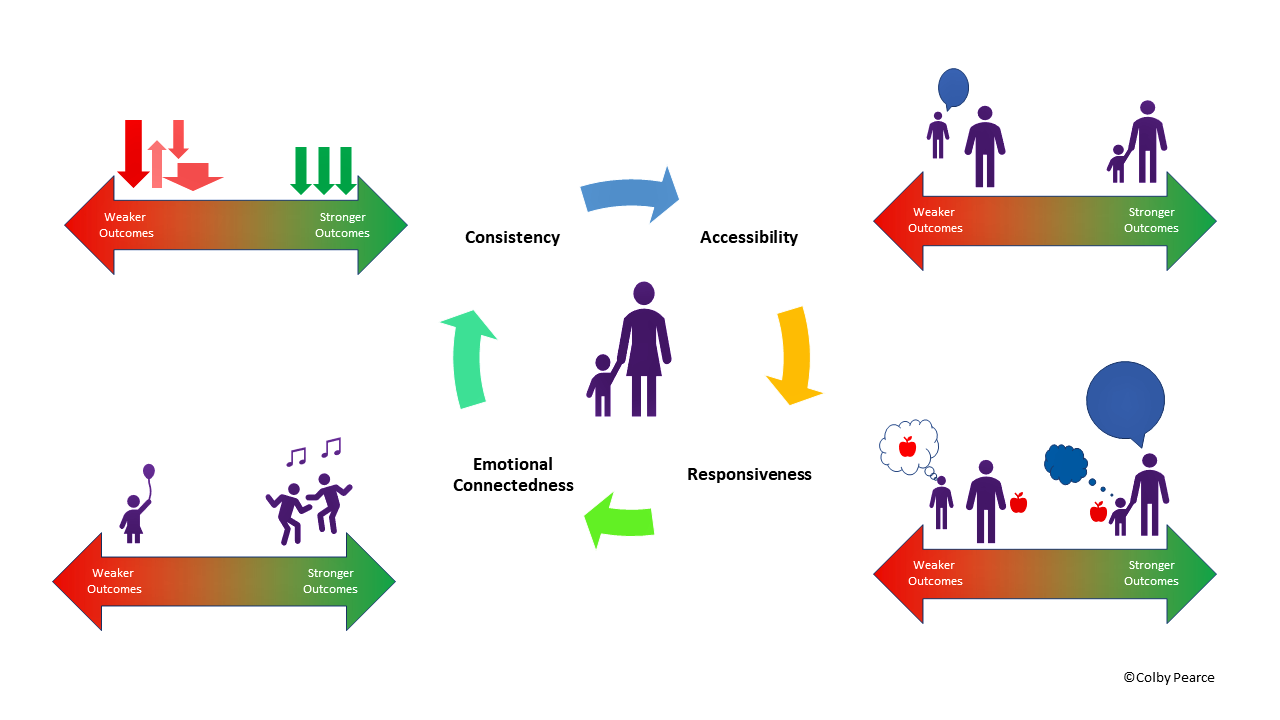
In the next few days I will be releasing a resource for supporting trauma-informed practice in schools. The resource complements the Triple-A Model of Therapeutic Care and the CARE Therapeutic Framework, which are currently being implemented in Australia and Ireland in the out-of-home care sector.
There are a number of motivations for releasing such a resource. Top of the list is that a resource for schools that complements endeavours in out-of-home care promotes:
- Common knowledge
- Common language
- Common approach
These three outcomes support a child’s experience of consistency of care and management across settings. For children who have experienced the chaos and unpredictability of trauma at home, this is the very least we can do to support their recovery.
Just as important, these three outcomes facilitate effective cross-setting communication. When the adults involved with children who are recovering from trauma at home are able to better communicate with each other, effective relationships are fostered. There is much written about the importance of the relationship between caring adults and the child who is recovering from trauma at home. Equally important in any endeavours on behalf of the child is the relationship between the adults who are involved in the child’s life.
We all need to be singing from the same hymn sheet!
In addition, practice frameworks, such as Triple-A and CARE, offer a basis for assessing performance and accountability in roles being performed with and on behalf of children who have experienced trauma at home.
I look forward to releasing this resource, and a follow-up resource for out-of-home care shortly thereafter.
Please do not hesitate to get in contact with me to discuss your interest in my work and potential collaboration.
Follow the links below to my two new resources supporting consistency of care and effective communication between home and school for children recovering from a tough start to life:






 Attachment and Resilience