Colby Pearce
-
-

Supporting consistent Therapeutic Caregiving -

Companion App for Therapeutic Classrooms and alignment with home. A practical guide to Attachment & Attachment Disorder
Resilient Kids

Secure Start – Trauma Informed

Self-Paced Learning Modules
The CARE Curriculum
-

Sister Site
Category Archives: AAA Caregiving
How Pat felt safe to sleep in his own bed at night
This video marks my second animated video for children and young people, to help them understand why they engage in behaviours that concern adults, and how to respond therapeutically to them. I hope that it will be especially helpful for … Continue reading →
Posted in AAA Caregiving, Adoption, Attachment, Fostering, kinship care, Parenting, trauma informed
|
Tagged adoption, attachment, child psychologist, fostercare, fostering, kinship care, parenting, trauma informed
|
2 Comments
We need to rethink foundational assumptions in child protection
The unpolished truth is that many children and young people are really struggling in out-of-home care, and so are adult stakeholders in their lives. It is not an overstatement to say that psychological safety is often compromised at all levels … Continue reading →
Posted in AAA Caregiving, Adoption, Attachment, Fostering, kinship care, Parenting, trauma informed
|
Tagged adoption, attachment, Child Protection, fostercare, fostering, kinship care, parenting, socialwork, trauma informed
|
Leave a comment
Attachment Theory Reconsidered: Embracing the Collective Role in Child Rearing
It takes a Village to raise a child. This widely-held axiom might be seen to contrast with representations of Attachment Theory as a white, western, middle-class theory of the mother-infant relationship. Is it right, then, to reject Attachment Theory in … Continue reading →
Posted in AAA Caregiving, Adoption, Attachment, Fostering, kinship care, Parenting, trauma informed
|
Tagged adoption, attachment, child development, fostercare, fostering, kinship care, mental health, parenting, relationships, trauma informed
|
Leave a comment
Who is an expert in their field of endeavour?
Who is an expert in their field of endeavour? One theory is the 10,000 hour rule. First proposed by Psychologist Anders Ericsson, the 10,000 rule became popularised by Malcolm Gladwell in his 2008 book Outliers, in which Gladwell articulates the … Continue reading →
Posted in AAA Caregiving, Adoption, Attachment, Fostering, kinship care, Parenting, trauma informed
|
Tagged adoption, attachment, books, fostercare, fostering, kinship care, malcolm-gladwell, parenting, reading, resilience, success, trauma informed, writing
|
Leave a comment
Understanding and Managing Children’s Unsettled Behavior After Parent Contact
In this audio, drawn from one of my supervision sessions with a local organisation, I lead the group through a reflective process considering the question – why are some children unsettled after birth parent contact? The audio is intended to … Continue reading →
Posted in AAA Caregiving, Adoption, Attachment, Fostering, kinship care, Parenting, trauma informed
|
Tagged adoption, attachment, family, fostercare, fostering, kinship care, mental health, parenting, psychology, relationships, trauma informed
|
Leave a comment
More than a diagnosis: What you need to know about a child in your care diagnosed with ASD or ADHD, or both.
In this video I address the issue of what you need to know about the therapeutic care and management of children and young people diagnosed with ASD and/or ADHD, where there is a trauma overlay. The video is intended to … Continue reading →
Posted in AAA Caregiving, Adoption, Fostering, kinship care, Parenting, trauma informed
|
Tagged ADHD, adoption, ASD, attachment, autism, fostercare, fostering, health, kinship care, mental health, parenting, trauma informed
|
Leave a comment
Childhood Trauma and Fire Lighting: Differentiation, Reasons, and Interventions
In this video I respond to a question raised in supervision, recently, about my thoughts about children and young people who light fires. This led to a wide-ranging conversation, a portion of which is shared here. The video is intended … Continue reading →
Posted in AAA Caregiving, Adoption, Attachment, Fostering, kinship care, Parenting, trauma informed
|
Tagged attachment, children, family, fostercare, fostering, kinship care, mental health, parenting, psychology, trauma informed
|
Leave a comment
We need to think more broadly than responding to the unmet need
In this video I share my thoughts about the need to broaden the much used maxim in out-of-home care circles, from “respond to the need” to “respond to the reason for the behaviour”. My views are shaped by my observation … Continue reading →
Posted in AAA Caregiving, Adoption, Fostering, kinship care
|
Tagged attachment, children, fostercare, fostering, kinship care, mental health, parenting, psychology, relationships, trauma informed
|
Leave a comment
What should be the focus of our work in child protection and social care?
In this short video, drawn from an interview I participated in for Therapeutic Residential and Foster Care for Traumatised Children, I address the question of what I think should be the focus of our work in child protection and social … Continue reading →
One piece of advice I would give to people considering working in child protection and social care
In this short video, extracted from a recent interview I gave to Therapeutic Residential and Foster care, I respond to the question about what one piece of advice I would give to people (considering) working in child protection and social … Continue reading →
Posted in AAA Caregiving, Adoption, Attachment, Fostering, kinship care, Parenting, trauma informed care
|
Tagged adoption, childwelfare, fostercare, kinshipcare, socialcare, traumainformed
|
Leave a comment




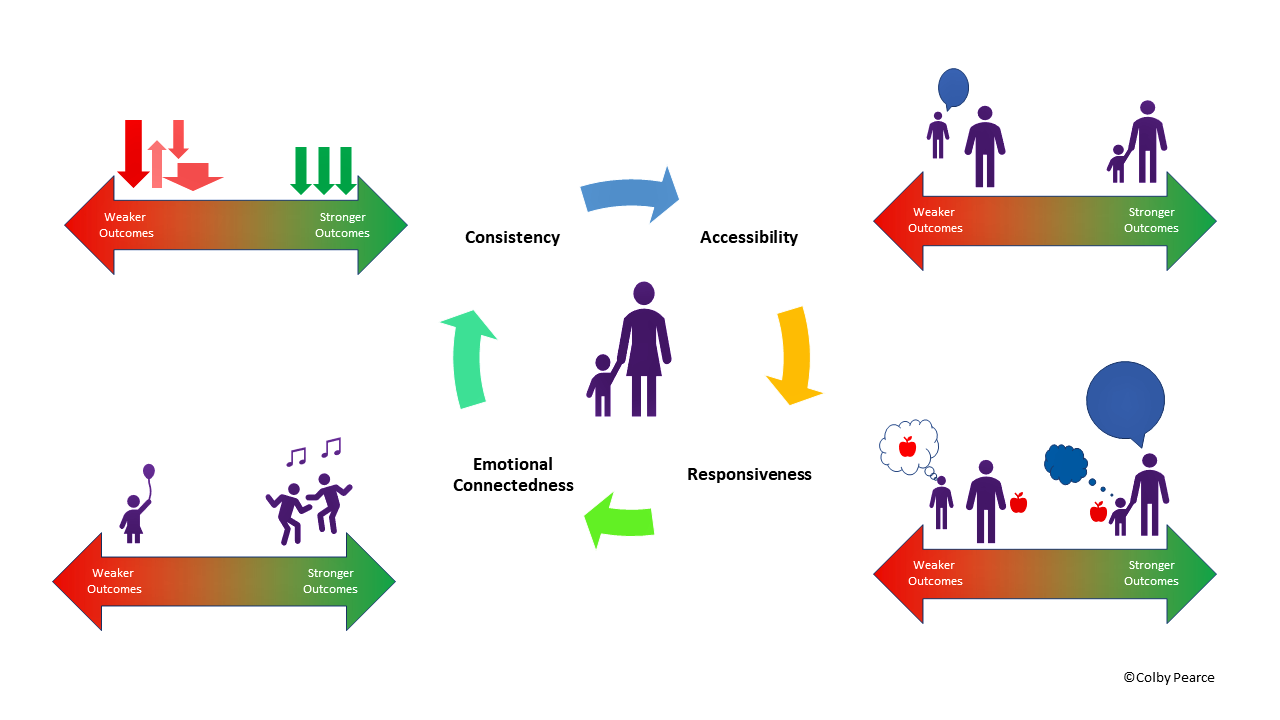
 Attachment and Resilience