Watch this video to hear hear me talk about the real reasons for behaviours of concern exhibited by children and young people recovering from a tough start to life. You will hear about three key reflective questions to ask and answer in your own mind about the experience and learning of the child or young person, which will help you better understand their needs and experience, and how to respond therapeutically to them. I have also included an article upon which the video is based, below.
A central pillar of trauma-informed care and practice is to respond to the unmet need that is giving rise to the behaviour.
The reasons for this are (at least) threefold:
Children express their needs and experiences through behaviour from the first minutes after they are born, and continue to do so throughout their development. In fact, we all do. We just do it less and less as words and speaking replace behavioural expressions. It is entirely normal to express ourselves through our actions and emotions.
Children who spent time in a very inadequate care environment learn that in order to get attention and a response to their needs they need to make a fuss. Their language development can also be restricted, such that they do not always have the words to express themselves.
If we don’t respond to the need or experience that gives rise to the behaviour of concern, the child’s needs and experiences may continue to be inconsistently or inadequately met, leaving them feeling and believing that they are undeserving and unworthy, and feeling and believing that us, the adults involved in their care, are uncaring, unresponsive, untrustworthy and, in some instances, unsafe.
A little caveat here. Why “unsafe”? This is because adults who very inadequately responded to their needs in the past may also have been responsible for, or struggled to respond effectively to, the child feeling unsafe. In such circumstances, any adult subsequently involved in the care of the child may make them feel unsafe due to the same processes that occur when for example, we feel nervous in circumstances similar to those where we were previously hurt or frightened in some way.
Moving on. So, if we accept the idea that we must respond to the need or experience that gives rise to the behaviour, how do we know what this is?
In my work I have observed that, though they may accept this pillar of trauma-informed care and practice, adults involved in the care of the deeply hurt child have difficulty identifying what the unmet need or experience actually is.
A consequence of this is that the deeply hurt child continues to experience adults as failing to understand them, and inconsistently responsive to them, which only perpetuates their demanding and demonstrative behaviour, or problematic self-reliance.
Consider taking food without permission, or gorging on it when it is available, for example. This is a big problem in many households providing reparative care to children recovering from a tough start to life. Many a parent will say that the child cannot have been hungry, I give them plenty to eat – and they do. Many then see the behaviour as something that needs to be managed by making it harder for the child to gain access to food.
Unfortunately, this misses the point that the reasons for the behaviour include:
Reassurance that the child has access to food where, historically, this may not have been the case;
Anticipating rejection, and uncertainty about future access to food; or even
That they are hungry.
It follows that successful management of this behaviour does not lie in restricting access to food but, rather, in making it easier for the child to access food and helping them to experience that conflict and disapproval are not the end of a relationship.
If you are still with me, that’s great! I won’t keep you much longer. It would be hard for me to keep your attention as I go through an exhaustive list of behaviours of concern and the reasons for them, though I could. Rather, I refer you to three simple reflective questions I developed, based on the Triple-A model, to help you come up with some ideas about what common reasons for behaviours of concern are. These questions are:
If they could or would, how would the child truly describe:
Themself?
Others?
their World?
2. What did the child learn about the accessibility and responsiveness of adults in a caregiving role in their first learning environment(s)?
3. Typically, how activated is the child’s nervous system (aka: How fast does their motor run)?
The answers to these key reflections is often the real reason why the child approaches life and relationships in the way that they do.
You can watch me speak about them in the video in the top left of the screen. You will also find other videos about how to respond to the unmet need and experience of the child in the playlist in the top right. The video about verbalising understanding is likely to be of further use to you, as it deals with an important way we can facilitate verbal expression, as opposed to behavioural expression.
Finally, remember this. If we don’t respond to the reason for the behaviour, the deeply hurt child will struggle to ever fully heal.
Recently, I have been turning my mind to the notion of unconditional positive regard and how we deploy that when working with deeply hurt and troubled young people. So I think it’s really important to have straight in our own minds what unconditional positive regard looks like in our work with deeply hurt and troubled children and young people. In my view, it doesn’t mean that we maintain a positive demeanour even when the child or young person is engaging in or has engaged in problematic behaviour.
It is okay to show disapproval. However, our disapproval shouldn’t be experienced by them as the end of the relationship, nor should our disapproval be experienced by these children and young people that they are beyond our positive regard. Rather, we should maintain a positive regard for them irrespective of behaviours of concern.
In this video I share more about Bethany, who finds it hard to trust others, especially adults. In the video I include information that adults who interact with children and young people recovering from relational and developmental trauma need to know about how to build trust with young people like Bethany.
Hi. Bethany here.
People say I find it hard to trust others; especially adults.
I suppose they are right. Adults make me nervous.
I never know if they are going to be mean, or nice.
I avoid them, if I can.
If I can’t avoid them, I am super friendly towards them.
If that doesn’t make them be nice, I am really bossy.
I think I was born this way. Someone told me babies smile or cry to get attention and a response from adults.
I also frown and try to look like I am not to be messed with. I use bad words.
There is one adult I trust. They are super fun to be around, and they are often check in to see if I am OK.
They also know me well, because they keep saying what I would say if the words came out more easily.
They listen carefully to what I can say.
When I am happy, they are happy too.
When I am unhappy, they are unhappy. But then they seem to be happy again and I become happy again too.
They even know what activities I like and don’t like. They have activities that I like ready for me without me even having to ask!
Like I said, I guess they know me really well.
If other adults were the same, I wouldn’t find it hard to trust them.
Taking on the care of a young person whose parents were finding life hard, such that their care was inadequate, presents some common challenges for the adults responsible for their contemporary care. These challenges stem from circumstances in which important needs and experiences were met inconsistently, and unpredictably. This impacted the development and learning of the young person in a number of important ways.
Probably the most important impact was the young person learning that they cannot always rely on adults in a caregiving role to understand and respond to their needs, reliably and predictably. Rather, their learning was that you have to work extra hard to get your needs met. In fact, their learning was that they had to take control to get a response from their parents. In the most inadequate of circumstances, the young person learnt that you need to take care of your needs yourself. In the CARE Curriculum we refer to this as Accessibility to needs provision.
Another important impact was the way the young person sees themselves and adults in a caregiving role after experiencing inadequate care from their parent or parents. Too often, the young person sees themself as undeserving of parental care and responsiveness, and views adults as untrustworthy and uncaring. This compounds the behaviours referred to above, and also means they are more likely to attend to their needs themselves (eg taking food without permission; hoarding and hiding food; gorging themselves). In the CARE Curriculum, we refer to the young person’s beliefs about self, other and world as having to do with Attachment.
Finally, young people who experienced inadequate care before they came to your home are likely to have had prolonged periods of distress and having been inconsistently soothed. This leaves them with a sensitised nervous system that is chronically heightened. In the CARE Curriculum, we referred to this as heightened Arousal.
This is the Triple-A Model, which we use to help us understand what is going on for the young person. In turn, this helps us know what strategies to implement.
A final thing to know is that the combination of negative appraisals of the world (and one’s place in it), and heightened arousal, is Anxiety. Always anxiety. So Anxiety is a common place to start when considering why the child is exhibiting behaviours of concern, and what to do about them.
Finally, Let me introduce you to Bella. Bella’s role is to explain the content of this article, and the needs of the young person in your care, from their perspective. You can watch Bella in the videos at the bottom of this article, or read what she has to say in the text. Do have a look. What a young person has to say is really important!
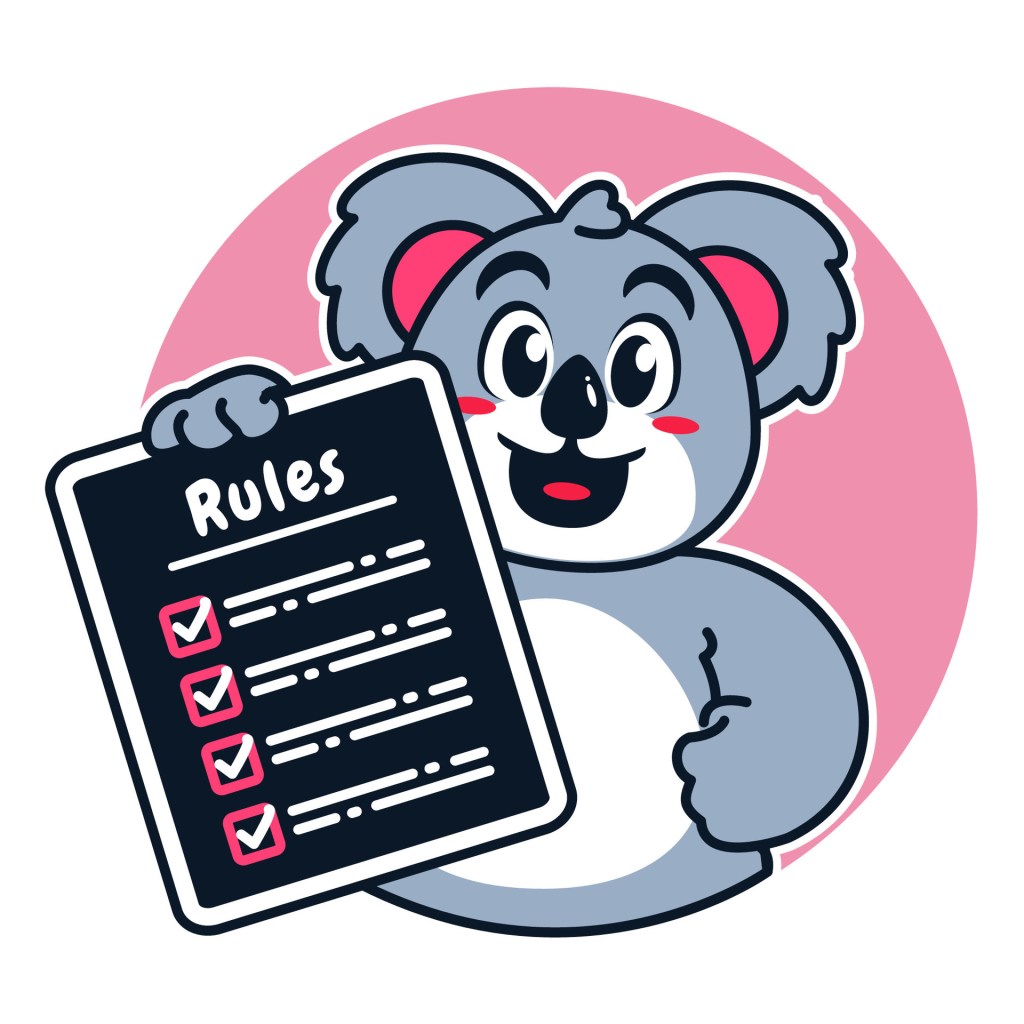
Step Number 1: House Rules/ Non-negotiables (aka “boundaries”)
Young people need adults to be in charge. They also need adults to set and maintain clear boundaries. They draw comfort from these things, which reduces their arousal and proneness to anxiety-based behaviours (including controlling behaviour). Through their adult caregiver(s) being in-charge, the young person understands that they can depend on their caregiver(s) to care for them and protect them in tough times.
So set some house-rules; three or four things, modelled by you, that everyone must comply with. It is not too important what they are. What is more important is that they can be applied consistently to everyone, and over time. Any inconsistency will aggravate the young person and activate their internal lawyer; speaking out against the unfairness of it all. In these latter circumstances you run the risk of losing prestige (and control).
Step Number 2: Allow the young person some control
Young people recovering from a tough start to life need to feel in control. This relieves their chronic anxiety and supports feelings of safety. As a caregiver, the young person needs you to support them to feel in control.
One method I favour is “controlled choices”. In this method, the young person is offered a choice between two options; such as between having a bath or shower, or between cleaning their teeth or washing their face first, or between playing a game of Uno or a game of Go Fish, or between holding the left hand or the right hand when crossing the road. The important part of this strategy is that you choose the choices. In doing so, the choices on offer must be ones that you can accommodate, whatever the young person chooses.
Other ways to support feelings of being in control include:
Nominating one night of the week where the young person chooses what’s for dinner
Having the young person choose the snacks that go in their lunch box
Nominating one night of the week where the young person chooses what you watch on TV
Step Number 3: Support the young person to relinquish control
Remember, the young person in your care is prone to anxiety, and being in control helps relieve this uncomfortable emotion. It is an important way for them to feel safe, and they will not readily give it up. Rather, we need to gradually expose them to relinquishing control, in circumstances where nothing bad happens and they will be safe. In psychology, we refer to this as graded exposure and habituation, and it is a very effective way to relieve anxiety and associated controlling behaviour.
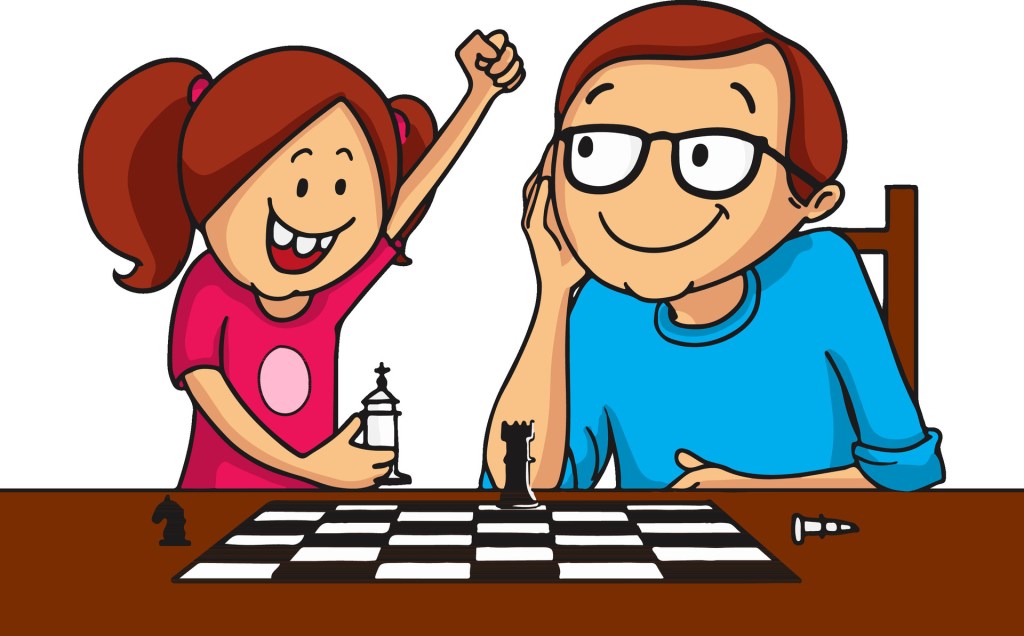
I have found that one of the best ways to help a young person to relinquish control safely, such that it comes more easily to them, is to teach them a new skill or activity. It has to be one that they are really interested in learning. A lot of directions and instructions from you, but not too many, that they have to comply with in order to be successful at the activity.
An example of such an activity is the board game, Chess. I have found that most young people who do not already know how to play chess want to learn. The beauty of chess is that it has lots of rules, and the child needs to comply with them in order to play successfully. Other activities include art and craft, cooking, riding a bike, looking after a motorised object, and the like.
Implemented consistently, this strategy will help the young person to learn that it is safe to relinquish control to you, without anxiety.
Step Number 4: Respond therapeutically to defiance
No matter how effective the previous suggestions are, you are likely to encounter defiance some of the time. In my experience, the time when you are most likely to experience this is when you ask the young person to do something. The important part here is that you asked them.
If you encounter defiance when you ask the young person to do something, it is likely that this is because you asked them. You see, when you ask them to do something, they think they have a choice; to comply, or not to comply. When you subsequently insist, they are likely to think that you are being unreasonable and untrustworthy, because you ‘gave them a choice’ and then reneged on this.
Rather, whenever you want the young person to do something, and compliance is non-negotiable, I suggest that you politely direct them. Say something like:
Just put that in the bin for me, please.
Put the Lego back in the box, please.
Turn the TV off, please.
Come and sit with us for dinner, please.
Such polite directions do not start with ‘can’ or ‘will’. No choice is conveyed to the young person. In such circumstances, I recommend you help the child be compliant, or walk away as if compliance is a given. You can also deploy this strategy when you notice the young person performing an action that you approve of. Simply direct them to perform the very action they are doing, and thank them for doing so!
Step Number 5: Remember your AURA
Remember, the young person in your care needs you to be in charge, and to know that they can rely on you. Communicating understanding of the young person’s experiences and needs in your words, actions and expressed emotions is a powerful way to build trust and authority.
Remember, the young person in your care needs you to be in charge, and to know that they can rely on you. Communicating understanding of the young person’s experiences and needs in your words, actions and expressed emotions is a powerful way to build trust and authority.
AURA stands for:
Accessible
Understanding
Responsive
Attuned
Be Accessible – Attend to the young person proactively, before they do anything to make it so. This helps them to learn that you are there for them.
Be Understanding – If you find yourself about to ask them a question, and you think you know what the answer would be should they give it, don’t ask the question. Say the answer. This helps them to learn that their experience is understood and important, and that they can rely on you.
Be Responsive – If you can anticipate a need or reasonable request, one that you would be happy to respond to if the young person asked, don’t wait for them to do so. Respond to the need proactively. This helps them to learn that their needs are important, and that they can trust and depend on you for needs provision.
Be Attuned – When you are teaching the young person a new activity, or whenever you are interacting with them over an activity, try to acknowledge their emotions in your posture and manner, and in your words. Doing so will help the young person to feel heard in relation to their experience, which also assists with building trust and age-appropriate dependency.
Final Comments
By my count, there are ten strategies referred to above. Whatever you do, don’t try to implement them all at once. You won’t be able to, and big changes unsettle young people who are recovering from unstable life experiences anyway. Rather, implement them one at a time, starting with developing a small list of house rules, prominently displayed. After a week or so, add strategy two, and implement for a week or so before adding another. Only do what you can keep up over time. Keep it simple.
By implementing these strategies I hope that you will find that when you say “excuse me” or “I beg your pardon” you get a respectful response from the young person in your care.
Bella’s advice about taking charge without making her feel unsafe: Part 1
I know I am not an easy kid to parent, but I find it hard to believe that you will notice and respond to me.
I also find it hard to believe that you understand me and that I am important to you.
I think I am a bad kid and don’t deserve to be looked after.
I worry about my needs a lot, and am unsure whether you will respond to them.
This worry gets me into trouble all the time, because I am either asking you a lot, getting upset when you leave me, or taking things I am not supposed to take.
I need to learn that I can rely on you to be there for me, and that you know a lot; including what is important to me.
I need to know how I can be a good kid and make you proud of me.
I need to know that I can trust you to make decisions that affect me, and that you won’t hurt me if I let you be in charge.
I need you to be clear about what you expect me to do, and what I have a choice about.
I need to know that you care about me, and that I deserve it.
Only then will I feel safe enough to be a normal kid.
Bella’s advice about taking charge without making her feel unsafe: Part 2
Please listen to my advice about what I need from you.
I need you to be in charge and to set and maintain clear boundaries.
I am comforted when you do. It helps me feel safe. When you take charge, I feel that I can depend on you to care for me and protect me.
So please set some house-rules; three or four things, modelled by you, that everyone must comply with.
It is not too important what they are. What is more important is that they apply to everyone.
If they don’t apply to everyone, this will aggravate me and activate my inner lawyer; that part that speaks out against unfairness. In these circumstances you run the risk of me losing trust in you.
I also need to feel as though I can control some things in my life. If you don’t allow me to, I will find ways that I can and you may not be happy with them. Feeling in control takes away my feelings of anxiety and supports me feeling safe. So, I need you to support me to feel in control of some things too.
One method I like is “controlled choices”. In this method, you offer me a choice between two options; such as between having a bath or shower, or between cleaning my teeth or washing my face first, or between playing a game of Uno or a game of Go Fish, or between holding your left hand or your right hand when we cross the road. The important part of this strategy is that you choose the choices. That way, I can trust that I will always be able to have these choices.
Other ways to support my feelings of being in control include:
Nominating one night of the week where I get to choose what’s for dinner
Letting me choose the snacks that go in my lunch box
Nominating one night of the week where I get to choose what we watch on TV
Ok. I hope that all makes sense. Please watch the next video for more ways to be in charge that help me feel safe.
Bella’s advice about taking charge without making her feel unsafe: Part 3
Hi. Bella here again; helping you to know how to be in control in ways that make me feel safe.
Remember, I am prone to anxiety, and being in control helps relieve this uncomfortable emotion. It helps me to feel safe, and I will not readily give up control without feeling safe.
So, you will need to gradually expose me to relinquishing control, in circumstances where nothing bad happens and I continue to feel safe. In psychology, they refer to this as graded exposure and habituation, and it is a very effective way to relieve anxiety and associated controlling behaviour.
One of the best ways to help young people like me to relinquish control safely, such that it comes more easily to us, is to teach us a new skill or activity. It has to be one that we are really interested in learning. A lot of directions and instructions from you, but not too many, that we have to comply with in order to be successful at the activity.
An example of such an activity is the board game, Chess. Most young people who do not already know how to play chess want to learn. The thing about chess is that it has lots of rules, and we need to follow them in order to play successfully. Other activities include art and craft, cooking, riding a bike, and looking after a motorised object.
Implemented consistently, this strategy will help me, and other young people like me, to learn that it is safe to relinquish control to you, without anxiety.
Again, I hope this all made sense. Please watch the next video, where I provide more information about ways that you can be in control in ways that make me feel safe.
Bella’s advice about taking charge without making her feel unsafe: Part 4
Hi. Bella here again; helping you to know how to be in charge in ways that make me feel safe.
No matter how effective my previous suggestions are, you are likely to encounter defiance some of the time when parenting me. This is most likely to happen when you ask me to do something. The important part here is that you asked.
If you ask me to do something, in my mind I have a choice. I can either do what you asked, or not. When you then insist, I am likely to think that you are being unreasonable and untrustworthy, because you ‘gave me a choice’ and then went back on this.
When you want me to do something, and compliance is non-negotiable, just politely direct me. Say something like:
• Just put that in the bin for me, please.
• Put the Lego back in the box, please.
• Turn the TV off, please.
• Come and sit with us for dinner, please.
Such polite directions do not start with can you or will you. No choice is expressed to me, and that’s OK. I know exactly what you expect of me and how to keep us getting along with each other. You could also help me to be compliant, or walk away as if my compliance is a given.
You can also deploy this strategy when you notice me performing an action that you approve of. Simply direct me to perform the very action I am doing, and thank me for doing so!
Bella’s advice about taking charge without making her feel unsafe: Part 5
Hi. Bella here again for a final instalment about how to be in charge in ways that make me feel safe.
Remember, I need you to be in charge. It helps me to know that I can rely on you.
Communicating understanding of my experiences and needs in your words, actions and expressed emotions is a powerful way to build trust and authority.
You can do this by remembering your AURA. Your AURA refers to how our relationship feels to me. So AURA refers to your:
Accessibility
Understanding
Responsiveness
Attunement
I need to experience you as accessible to me. When you give me attention without me having to do anything to get it, I have the experience that you are there for me.
I also need to experience you as understanding me. If you find yourself about to ask me a question, and you think you know what my answer would be, don’t ask the question. Say the answer. This helps me to learn that my experience is understood and important, and that I can rely on you.
In addition, I need to experience you as understanding and responding to my needs without me having to do anything to make it so. If you can anticipate a need or reasonable request, one that you would be happy to respond to if I ask, don’t wait for me to do so. Respond to the need proactively. This helps me to learn that my needs are important, and that I can trust and depend on you for needs provision.
Finally, I need you to show that you see and feel what I do. Whenever you are interacting me, I need you to notice and acknowledge my emotions in your posture and manner, as well as your words. Doing so assists with building trust. When you return to a calm state and I follow along with you, this helps me to be able to regulate my emotions, notice the experience of others, and regulate my emotions in consideration of their experience.
Bella’s advice about taking charge without making her feel unsafe: Part 6
By my count, there are ten strategies referred to in this video series. Whatever you do, don’t try to implement them all at once. You won’t be able to, and big changes unsettle young people like me who are recovering from unstable life experiences. Instead, implement them one at a time, starting with developing a small list of house rules. After a week or so, add strategy two, and implement for a week or so before adding another. Only do what you can keep up over time, as this will also help me to trust you. Keep it simple.
Thank you for watching this video series. Do check out other videos on the channel, and subscribe.
Available research, and anecdotal experience, suggests that children and young people who foster play a critical role in the success, or otherwise, of an out-of-home care placement.
Children and and young people who foster are the birth children of foster carers. They may be similarly aged as the child who is fostered and share parental care with the fostered child. Through the role they play supporting their parents and the fostered child, children and young people who foster are thought to benefit in the development of their character via the role.
Children who foster may be adults with their own children who share their grandparents with the fostered child. As adults, they may also support their parents in the fostering role.
Children and young people who foster have also been referred to as “forgotten children”, in consideration of their experience. Children and young people who foster can feel as though their own needs are less pressing, or even less important than those of the fostered child. Wellbeing is threatened and relationships are strained, leading to a decision to end the placement for the fostered child in many instances.
The end of the placement has potential negative impacts for children and young people who foster. Among dependent children of the foster carers, the end of the placement may result in insecurity about the continuity of love and care. Teenage and adult children may experience shame and guilt about the placement ending.
The foster parents, themselves, are likely to be impacted by the placement not working out. Feelings of failure may compromise their caregiving capacity and wellbeing, at least for a time.
For the sake of children and young people who are in-need of out-of-home care, child welfare authorities and fostering agencies need to recognise the role children and young people who foster have to play in placement outcomes, and ensure that they feel important and supported too.
Transcript of the video:
I am a child who fosters, but I am not a child.
Only mum and dad think of me that way.
They look after children who cannot live at home.
I thought it would be great at first; someone else to talk to and do things with.
Someone we could help to know what normal family life is.
It started OK.
Now, I feel like I have to fight to be noticed.
Sometimes I feel like the forgotten child.
Mum and dad spend all of their time talking about and responding to the child.
I can see that the child knows it too.
They smile at me whenever mum or dad does something for them.
Like I am the competition in some game they are playing.
And they’re still not satisfied. They want more and more. They have to win.
They get into my things as well. Nothing’s off-limits to them.
Mum and dad don’t even punish them!
They say the child does it because their needs weren’t met at home;
That their parents had problems that got in the way of caring for the child.
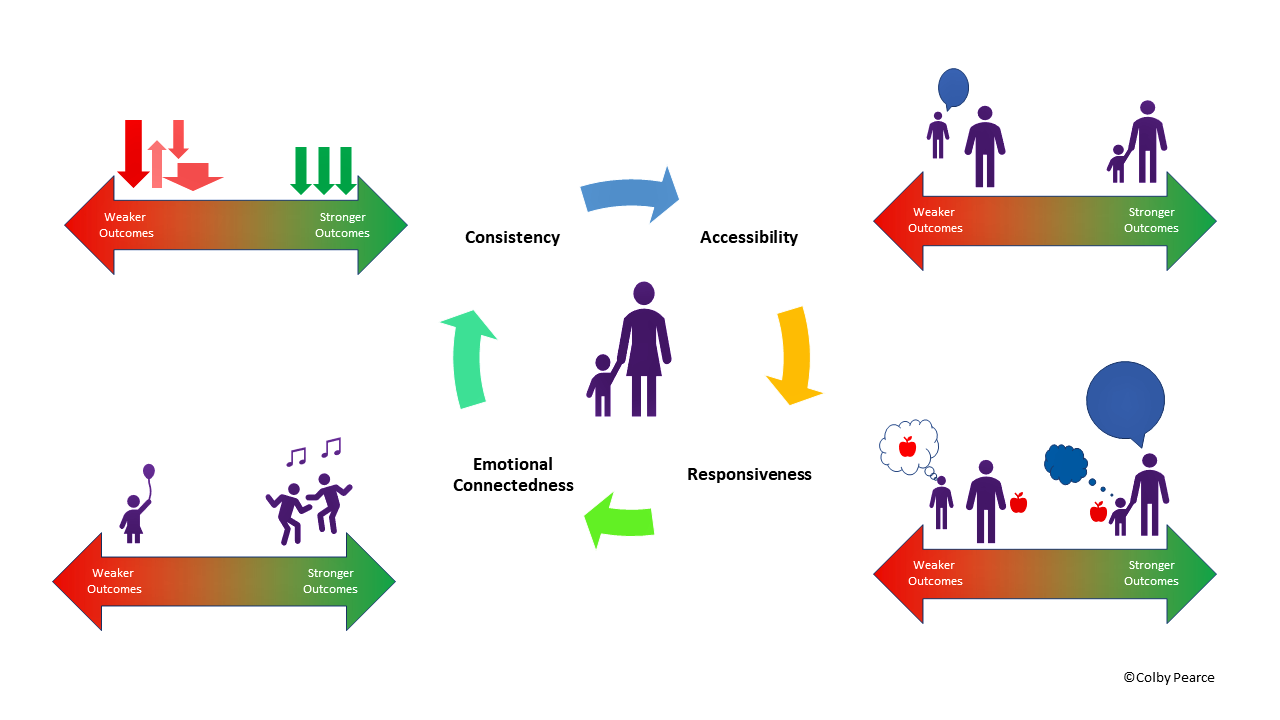
That they need consistent care from accessible, responsive, and emotionally-connected adults.
That they need adults who understand them and respond to their experience.
Well, I still need that too.
I need my mum and dad to be there for me without me having to ask; to say the words that show that they understand what is happening for me and our family right now; to show that my needs are important without me having to explain them; and to sit with me and experience what I am feeling.
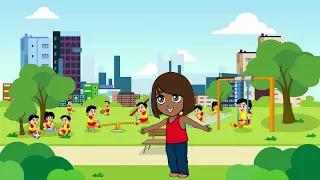
This animated video is drawn from one of my most popular pieces of writing, ever. It tells the story of how a sensitive child thinks, feels, and experiences the world. I anticipate that it will be of most interest to sensitive children and adults who interact with them in caregiving and professional roles.
I am a sensitive child.
There are many children like me.
We find this world a challenging place to live in.
We get tired. We get upset. We feel overwhelmed.
What you think is a little thing is a big problem for us.
Noise often bothers us. Our clothing too. Even the food we are expected to eat.
We are particularly sensitive of the feelings of others.
We can see in your face, in your eyes, that we bother you.
We sometimes doubt whether people care about us, understand us, love us.
We try hard to keep our feelings under control, but we find this very difficult when we are with the people who we expect to love us, understand us, accept us.
In this world where we so often feel overwhelmed and out-of-control we crave order.
We often insist upon this, such as when we demand that our parents follow the usual route to kindy or school.
We like repetition, preferring the same foods day by day.
We are not autistic; though many will say we are.
We need your patience, your flexibility, your understanding, your unconditional love.
We need you to be there for us, to connect with us and to support us.
With enough of these experiences, we assure you we will grow into sensible, mature and caring young adults.
And would not the world benefit from more adults like us?
This is probably the most important video I will make. It concerns the impact of punishment, alone, in relation to behaviours of concern exhibited by children and young people. Please stay tuned for the whole video to hear the important message I wish to convey. If the video is meaningful to you, please consider giving it a “thumbs up” and subscribe to my channel. Happy to receive your thoughts too.
Transcript
Hi, I’m Colby Pearce. This is probably going to be one of the most important videos I will ever upload to this channel and it concerns how we respond to children and young people when they exhibit behaviours of concern. So please stay tuned for the whole video to hear a very important message that I wish to convey.
I’m going to start with an idea and that idea is that people do not act for no reason. There is always a reason.
They may act in response to an idea.
They may act in response to an emotion.
They may act in response to the feeling of a need that needs to be satisfied.
They may act in response to something that occurred in their environment.
They may act because the way their brain developed impairs their capacity to inhibit a response in the presence of a trigger.
If we accept as truth the idea that people do not act for no reason, then we must also accept that when we punish a child without any effort to understand the reasons for their actions, then we are essentially communicating that their thoughts, their emotions, their needs, their experiences and their biological characteristics are unimportant and invalid. Repeated often enough, the child or young person will come to believe that they are unimportant and invalid.
The consequences of invalidation include behaviour problems, emotional problems, preoccupation with needs and a lack of regard for the impact of one’s behaviour on others and one’s relationship with others. Essentially, what I’m saying here is that the punishment perpetuates the behaviour.
We can avoid perpetuating the behaviour or behaviours that are concerning us by responding with understanding to the reasons for those behaviours and in doing so, nourish connections with the child that support regulation in consideration of the impact of one’s own behaviour on others and a positive approach to life and relationships.
Thank you for watching this video through. If the content of this video was meaningful for you, please consider liking it and please also consider subscribing to this channel. Thanks again.
This video marks my second animated video for children and young people, to help them understand why they engage in behaviours that concern adults, and how to respond therapeutically to them. I hope that it will be especially helpful for children and young people recovering from a tough start to life, and adults who interact with them in caregiving roles.
Transcript:
Hi, I’m Pat. I used to find it really hard to go to sleep in my own bed. I liked my bedroom and even chose my bed and the quilt cover.
I just liked sleeping with mom and dad more. I felt safe when I could feel them next to me. When they tried to get me to sleep in my own bed, I got really upset and needed them more.
You see, I found it hard to imagine they were still there when I could not see them, hear them, or touch them. I started to get bigger, and my parents’ bed was too small for the three of us. So dad started to lay next to me in my bed at bedtime and read books from my bookshelf.
I had a lot of books, but there was some that he read more than others. After he had read two or three books, he would sing some songs to me. He used to sing the same songs too.
All the while, there was music playing very softly in my bedroom. We called it the sleep music, and it stayed on all night. It really did help me sleep.
Sometimes I fell asleep before dad had finished singing. Sometimes dad fell asleep next to me too. But if I was still awake after the last song, dad would go and turn the hallway light on and then come back to check in with me.
He told me I could stay awake until he got back. Next, he would go and put the kettle on in the kitchen and come right back. Once again, he said I could stay awake until he returned.
Then he would say he was going to the toilet and would check back with me after. Once again, he told me I could stay awake until he got back. I found it hard to stay awake and soon fell asleep.
Before I did, I imagined dad turning on the light in the hallway, turning the kettle on in the kitchen, and going into the toilet. I got better and better at imagining him moving around the house and soon lost the feeling that I needed him where I could see or touch him. I now sleep all night in my own bed.
I think the sleep music helps, too. If you are finding it hard to sleep in your own bed, you might ask your parent to do the same as my dad did.
This video marks the first step to creating animated videos for children and young people, to help them understand why they engage in behaviours that concern adults, and how to respond therapeutically to them. I hope that it will be especially helpful for children and young people recovering from a tough start to life, and adults who interact with them in caregiving roles.
If you like the video, please give it a ‘thumbs up’ on YouTube, and subscribe to me channel. That way, you will not miss new videos as I upload them.
For the full post, upon which this is based, click here.
The unpolished truth is that many children and young people are really struggling in out-of-home care, and so are adult stakeholders in their lives. It is not an overstatement to say that psychological safety is often compromised at all levels of the out-of-home care and child protection systems.
It is also true that this is a multifaceted problem that requires a paradigm change in the way we think about child protection and out-of-home care.
This requires decision-makers to critically examine the very basic assumptions upon which our child protection and out-of-home care systems sit.
One of these assumptions is that children and young people will be better off in out-of-home care in circumstances where they are unsafe at home. This is based on the related assumption that children and young people will thrive in a safe and nurturing environment with adults who are caring and committed to their care.
This latter assumption is easily demonstrable when children and young people grow up in a safe and nurturing home with their birth parents. It is not, however, easily transposed onto the out-of-home care system.
The truth is, these children have often suffered deep hurts that compromise their experience of psychological safety (and associated adjustment) well after they have been placed in out-of-home care.
Another truth is that the goal of attachment security, so often presented as the target for our endeavours in child protection, is unlikely to be achieved unless there is attachment repair with their birth parents.
This latter truth stems from a lack of conversation about the difference between attachment relationship and attachment style. See my video below where I begin to unpick this.
Disclaimer: While great care is taken to ensure that the advice on this site is widely applicable and based on sound psychological science, it may not suit the individual circumstances of all visitors. If you have any concerns about applicability to your circumstances, please consult a qualified professional near to you.
Join 5,452 other subscribers
Colby Pearce
Search this site
Supporting consistent Therapeutic Caregiving
Companion App for Therapeutic Classrooms and alignment with home.













 Attachment and Resilience