Colby Pearce
-
-

Supporting consistent Therapeutic Caregiving -

Companion App for Therapeutic Classrooms and alignment with home. A practical guide to Attachment & Attachment Disorder

Resilient Kids

Secure Start – Trauma Informed

Self-Paced Learning Modules

The CARE Curriculum
-

Sister Site
Tag Archives: attachment theory
What is Attachment?
‘Attachment’ is a term used to describe the dependency relationship children develop towards their primary caregivers. In ordinary circumstances, an infant’s emerging attachment to their primary caregivers begins to show during the latter half of their first year post-birth, and … Continue reading →
Posted in Attachment, Parenting
|
Tagged Ainsworth, attachment, attachment theory, Bowlby, child development, psychology, resilience, Strange Situation, wellbeing
|
Leave a comment
How to train : Some reflections
The training of carers of children in out-of-home-care (OOHC) and the social care professionals who support them is closely aligned. There is an emphasis on imparting what carers and professionals need to know (theory/ideas), and relatively less emphasis on what they … Continue reading →
Reactive Attachment Disorder and the Looking-Glass-Self
Epilogue In his 1902 publication, Human Nature and the Social Order, Charles Horton Cooley introduced the concept of the Looking Glass Self to portray his idea that an individual’s perception of themselves develops in association with how they experience others … Continue reading →
Posted in Attachment, trauma informed, trauma informed care, trauma informed practice, Trauma Informed Schools
|
Tagged attachment, Attachment Disorder, attachment theory, psychology, self-concept, self-esteem, strengths, strengths based practice, trauma informed, trauma informed care, trauma informed practice
|
Leave a comment
A Tale of Four Mice: An Attachment Story
Following the popularity of the allegory, A Tale of Three Mice, which formed the prologue to the first edition of A Short Introduction to Attachment and Attachment Disorder, when I was asked by my publisher to prepare a Second Edition … Continue reading →
Posted in Adoption, Attachment, Fostering, kinship care, Parenting, trauma informed, trauma informed care, trauma informed practice, Trauma Informed Schools
|
Tagged Attachment Disorder, attachment theory, Learning Theory, Operant Conditioning, reactive attachment disorder, Skinner, trauma informed, trauma informed care, trauma informed practice
|
2 Comments
Trauma Informed Care: The CARE Therapeutic Framework
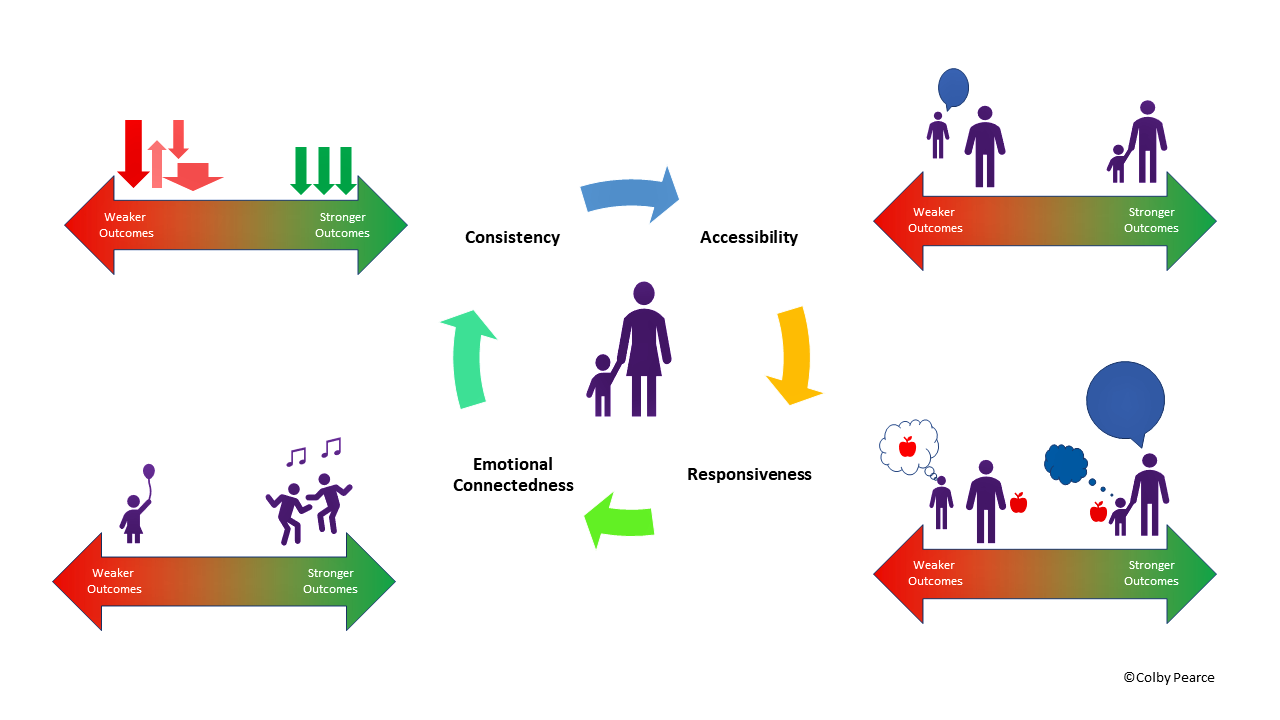
The CARE Therapeutic Framework (Now known as The CARE Curriculum): A Whole-Of-Service Training and Implementation Programme Author/Developer: Colby Pearce, Clinical Psychologist The CARE Therapeutic Framework[1] is an evidence-informed, strengths-based approach. It draws attention to conventional aspects of caregiving and relating … Continue reading →
Posted in trauma informed, trauma informed care, trauma informed practice
|
Tagged attachment, Attachment Disorder, attachment theory, Education, howto, learning, oppositional defiant disorder, reactive attachment disorder, resilience, therapeutic care, training, trauma informed, trauma informed care, trauma informed care principles, trauma informed practice
|
3 Comments
Trauma Informed Classrooms : Four Essential Activities
Hi everyone. I hope you don’t mind, but I have decided to update and re-post this blog from a little while ago. It was a bit buried in all of the other posts on this site, and the information is … Continue reading →
Posted in Trauma Informed Schools
|
Tagged attachment, Attachment Disorder, attachment theory, classroom, Education, howto, learning, oppositional defiant disorder, reactive attachment disorder, resilience, school, teacher, therapeutic care, trauma informed, trauma informed care, trauma informed care principles, trauma informed practice
|
Leave a comment




 Attachment and Resilience