Reblogging as school holidays are approaching here in Australia!

colbypearce's avatarAttachment and Resilience

Stress is a major cause of demanding and unsettled behaviour in children.

Under stress, the brains of children are hard-wired to set off behaviours associated with the fight-flight-freeze response:

  • Fight:     Controlling, aggressive, destructive and demanding behaviour, hyperactivity
  • Flight:    Running off, hiding, hyperactivity
  • Freeze:  Reduced responsiveness to the environment (e.g. not listening, daydreaming)

Routines provide structure and order to people’s lives, which is reassuring. The absence of routines is stressful.

Variety is the spice of life. But too much variety and too many choices can be overwhelming for children. Limit the number of choices of activity a child is given at any one time.

If your child is consistently misbehaving day after day, it is probably because they are used to following routines and being occupied throughout the day, as occurs during school term. Planning activities for your children on a day-to-day basis assists with structuring their…

View original post 65 more words

Posted in Uncategorized | Leave a comment

Inadvertently Invalidating Conversations

“When I was a child we spent all day outside making cubby houses. Now my children spend all day in front of the computer making houses in Minecraft!”

The above statement is an example of how much the lives of children and their parents have changed in developed countries in the 21st century. It is also an example, or variant of, a common concern of parents. Parents  in developed countries are concerned that their children are spending too much time interacting with and via electronic media and too little time doing what they, the parents, did when they were growing up. Typically, the conversation between parent and child begins with When I was a child . . . . and incorporates an elevation of the worth of the parent’s own childhood pursuits and a corresponding devaluation of contemporary, sedentary electronic pursuits. The motives of the parent may be pure, such as encouraging creativity, physical activity and face-to-face interactions between their children and their friends. The inadvertent outcome is that the child perceives their contemporary interests as invalid and disapproved of by their parents. By extension, the child perceives themself to be a less valid person in the eyes of their parent.

Validation is an important component of my work with children in distress, and their parents. Children who have regular experiences of validation from their parents tend to be better-adjusted than those who feel like their activities and interests are criticized and disapproved of by their parents. In extreme cases, regular experiences of parental invalidation can result in a child developing a depressive illness.

It is important to accept and show interest in your child’s [reasonable] activities and interests. When you do so, they feel loved and validated by you. They feel like a valid person. With you, the parent, being the source of such positive feelings, you have also strengthened your influence to promote your child’s engagement in creative, physical and  interpersonal activities.

Posted in AAA Caregiving, Children's Behaviour, Parenting, Wellbeing | Tagged , , , , , , , , , | 2 Comments

Three Loving Parental Acts that Enhance Child Wellbeing

In my practice I am regularly asked the following question: What can I do to help my child? In the context of a child, adolescent and family psychology practice, the question is best understood as what can I do to promote my child’s wellbeing?

There are many perspectives and recommendations in the parenting and psychology literature about what parents can and should do to promote their child’s wellbeing. It can, quite literally, be overwhelming for parents to know what is best for their child. Keeping this in mind, I have reflected long and hard about fundamental aspects of good parenting and practical strategies for implementing them.

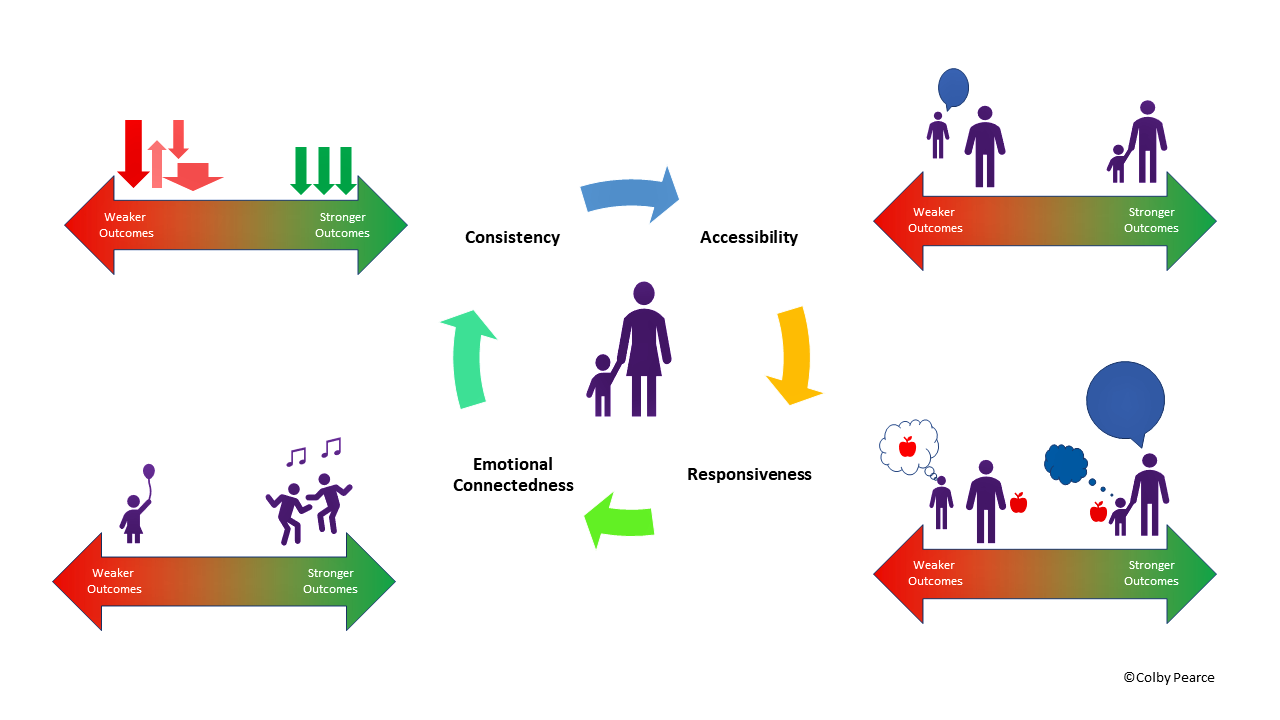
I believe that a lifetime of happiness and fulfillment stems from children developing a secure attachment to their primary caregiver(s) during their preschool years. Secure attachment relationships stem from the infant and young child experiencing their primary caregiver(s) as:

  • Accessible,
  • Understanding, and
  • Emotionally Connected.

As a result of experiencing their primary caregiver(s) as accessible, understanding and emotionally connected and, in turn, forming a secure attachment to their caregiver(s), the foundations are laid for the child to perceive themselves as lovable, deserving, capable, and safe. In turn, these beliefs are critical to a child’s wellbeing.

So, when I am asked by a parent how they can promote the wellbeing of their child, I recommend that they go back to basics and do what promotes, reinforces and extends attachment security and a child’s belief that their are lovable, deserving, capable and safe. I recommend that they be accessible, understanding and emotionally connected.

How do they do this? Lets start with accessibility. I believe that you can only truly assure a child that you are accessible to them by addressing their needs and reasonable wishes in a proactive manner. If you are primarily responding to a child’s expressed needs and wishes (i.e. you are being reactive), the child’s experience is that they need to do something to make you attend to them. In contrast, when you spend time thinking about the child’s needs and reasonable wishes and address them before the child asks, the child’s experience is that you are aware of them and their needs and wishes without the child having to do anything to make it so. This is a powerful source of assurance that you are there for them. It also overlaps with the second fundamental aspect of parenting that promotes child wellbeing: understanding.

My preferred method of communicating understanding to children is to stop asking them questions. Rather, I observe the child and the setting and I say what I think is in their head (thoughts) and in their heart (feelings).  For example, if a child is happily playing lego in my waiting room, I comment “I can see that you like playing lego”. In contrast, if a teenager slouches in their chair, avoids making eye contact and gives only a minimal verbal response to my greeting, I comment “I can see that you would rather be anywhere else but here”, or something like that. When you follow this method of communicating, children typically “light up” at the experience that their inner world is understood and important. They feel loved and valid.

Finally, children feel emotionally connected to their caregiver(s) when they are engaged together in activities they like doing together. Even as little as five minutes per day doing an activity of the child’s choosing that you will enjoy doing together will improve the child’s adjustment and wellbeing. So, play with your child, as often and consistently as you can.

Just to recap, three loving acts that enhance child wellbeing are:

  • Addressing needs and reasonable wishes proactively;
  • Saying out loud what you think is in the child’s head and in their heart; and
  • Engaging with your child in activities you enjoy doing together.

For more information, please refer to A Short Introduction to Promoting Resilience in ChildrenColby Pearce Resilience

Posted in AAA Caregiving, Attachment, Children's Behaviour, Parenting, Resilience, Wellbeing | Tagged , , , , , , , , , , | 2 Comments

This is a popular post which I hope people have found helpful 🙂

colbypearce's avatarAttachment and Resilience

In my practice one of the more common struggles reported by parents and caregivers is getting children off to sleep in their own bed.  What follows is a simple method to address this issue that I often recommend, and that I used with my own children.

Before I get to the method, I want to advise that there are many and varied reasons why children have difficulty getting off to sleep in their own bed. Time and space do not permit me to go into all possible reasons here. What I would say is that the method presented here is appropriate for many of the reasons why children have this difficulty. It is offered as general advice and is not a substitute for a full assessment and recommendation from an appropriately qualified paediatric sleep specialist.

Firstly, children’s sleep patterns are subject to a sleep-wake cycle, which is physiological in nature…

View original post 905 more words

Posted in Uncategorized | 2 Comments

AAA Caregiving in Schools

In A Short Introduction to Attachment and Attachment Disorder I presented a model of therapeutic re-parenting of children who have experienced complex developmental trauma. In A Short Introduction to Promoting Resilience in Children I showed how the same model can be applied to parenting of all children, with the intention of fostering their resilience. In various other publications I refer to this model as AAA Caregiving. Where it makes sense to do so, I use the generic word caregiving instead of the more specific word parenting. My intention in doing so is in recognition that of the fact that caregiving is incorporated into a wide range of roles adults perform in relation to children. Hereafter I will briefly present how a AAA Caregiving approach can be applied by adults who work in schools.

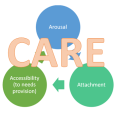
The AAA in AAA Caregiving refers to Attachment, Arousal and Accessibility to needs provision.

Attachment 

The AAA approach to caregiving places importance on promoting and supporting secure attachment representations. Secure attachment representations incorporate core beliefs held by the child that they are capable, deserving, understood and safe, that adults in a caregiving role will be sensitive, understanding and responsive to their needs, and that the world is an exciting place full of possibilities. Secure attachment representations are the foundations for a successful, rich and fulfilling life.

Secure attachment representations are promoted and maintained in schools where children experience adults in a caregiving role (particularly teachers and teacher support staff) as authoritative, accessible, understanding and connected at an emotional level (also referred to as affective attunement). Children benefit from adults in a caregiving role being in charge. Similarly, they benefit from being noticed before they call attention to themselves and from having their thoughts, feelings and intentions acknowledged without having to verbalise them themselves. Moreover, they benefit from the pride and joy in their accomplishments being reflected in their teacher’s face and their sadness and disappointment being responded to empathically.

Arousal

The AAA approach to caregiving recognises the central role arousal plays in the child’s ability to perform at their best and have regular mastery experiences which, in turn, supports a positive self-image and resilience. Arousal refers to the level of activation of the child’s nervous system and is a lot like body temperature, in that there is a sweet spot where we perform and feel at our best. Like body temperature, when arousal is too high or too low, there is a problem. Arousal is implicated in emotional, behavioural and cognitive problems.

Arousal is impacted by a wide range of factors and aspects of the child’s environment. However, optimum arousal is promoted in ordered, structured classroom environments where the teacher is in charge and the children have the experience that their teacher is accessible, understanding and emotionally connected with them. Music can also be used to promote optimal arousal in a group, with as little as twenty minutes exposure to certain types of classical music likely to promote a state of calm alertness and readiness to engage successfully in the school curriculum.

Accessibility

All children thrive in an environment where their needs are responded to consistently. The  AAA approach to caregiving recognises this fact and incorporates strategies to provide children with a profound sense that their needs are understood and will be responded to without them having to go to great lengths to make it so. In turn, the child can confidently go about engaging with and exploring their world without fear, thereby promoting their development and academic and social success.

For more information about the AAA approach to caregiving, please refer to my books, which are written in an accessible style and are suitable for caregivers of all types and professionals who have a caring role with children.

Colby Pearce Resilience

Colby Pearce Attachment

Posted in AAA Caregiving, Attachment, Resilience, Schools | Tagged , , , , , , , , , , , | 3 Comments

The Hawthorne Effect in Schools

The notion of the Hawthorne Effect is derived from a series of experiments conducted in the 1920s and 1930s at the Hawthorne works of the Western Electric Company. In these experiments, the experimenters manipulated aspects of the working conditions of some employees in order to study the effects of these changes on employee productivity and wellbeing. The most famous were the so-called “Illumination Experiments”. In these experiments, productivity improved with successive increases in illumination in a work area, then increased again when the illumination was subsequently reduced. This led to the conclusion that it was not the level of illumination that played a role in worker productivity, but the perception of the worker that management was interested in them and in their working conditions.

Several years ago I was asked to conduct assessments of thirteen children who were of the most concern to staff at a particular school, in terms of their engagement and behaviour. My assessments incorporated interviews of each child, their parent(s), their classroom teacher and senior staff at the school. I prepared a diagnostic report for each child and made recommendations regarding each child’s care and management requirements. I conducted individual feedback sessions with the parents of each child, and with their teacher. I also provided general education to staff of the school about engaging children who are disengaged and who exhibit challenging behaviour in the education setting.

I returned to the school the following year, approximately six months later. Only one of the original thirteen children continued to be of concern to school authorities, in terms of their engagement and behaviour.

Since that time I have observed the same effect in other schools with whom I have an association.  When school authorities and teaching staff take an active interest in those children who are disengaged and presenting a behaviour management challenge in the school, such as by instituting special programs for them, the behaviour and engagement of these young people invariably improves! In contrast, when school authorities rely primarily on suspension and exclusion of the student from school, their engagement and behaviour invariably deteriorate further.

So, take an active interest in the disengaged and those who exhibit challenging behaviour in the school setting. It really is the only viable way forward with these young people!

If you found the information in this article useful, please share it using the sharing buttons below.

Please also subscribe to this blog to receive further ideas and guidance when it becomes available.

Join 5,447 other subscribers

Follow the links below to my two new resources supporting consistency of care and effective communication between home and school for children recovering from a tough start to life:

Click here for more information and to access our resource for carers who are supporting children who are recovering from a tough start to life.
Click here for more information and to access our new resource for teachers who are managing children who are recovering from a tough start to life.

For more information about my work visit securestart.com.au.

You can access more information about my programs by clicking the links below:

CARE embedded in AAA

Triple-A Model of Therapeutic Care

The CARE Therapeutic Framework

Helping Children and Young People Realise their Potential

Another place to connect with my work is to follow one or more of my pages on Facebook:

Secure Start Therapeutic Care

Secure Start

To Connect with me on LinkedIn or Twitter click below:

LinkedIn

Twitter

← Back

Thank you for your response. ✨

Wesite Header R
Posted in Schools, trauma informed practice, Trauma Informed Schools | Tagged , , , | 8 Comments

Attachment in schools who are managing students with complex needs

Colby Pearce AttachmentOne of the challenges when working with children who have complex needs is ensuring that education authorities address their care and management requirements with understanding and sensitivity.

Too often, the primary focus of education authorities is behavioural control and an over-reliance on reward and punishment paradigms.

This approach overlooks the fact that behaviour is a form of communication. For children who have complex needs, behaviour is often a primary form of communication.

Over-reliance on reward and punishment paradigms results in the child having the experience that they are not being heard and that nobody cares about them. This increases the likelihood of maladaptive behaviours, low self-esteem and unhelpful attitudes towards others.

Over-reliance on reward and punishment paradigms neglects the central role of relationships in influencing personal development and behaviour.

I was pleased to discover that education authorities in the UK recognise the importance of attachment in educating children with complex needs (see here). I appreciated the citation and the fact that my own work concerning attachment and children with complex care needs is recognised as a worthwhile resource for educators in the UK, alongside the work of the founding father of Attachment Theory, John Bowlby.

Posted in AAA Caregiving, Attachment, Children's Behaviour, Trauma | Tagged , , , , , , , , , , , | 4 Comments

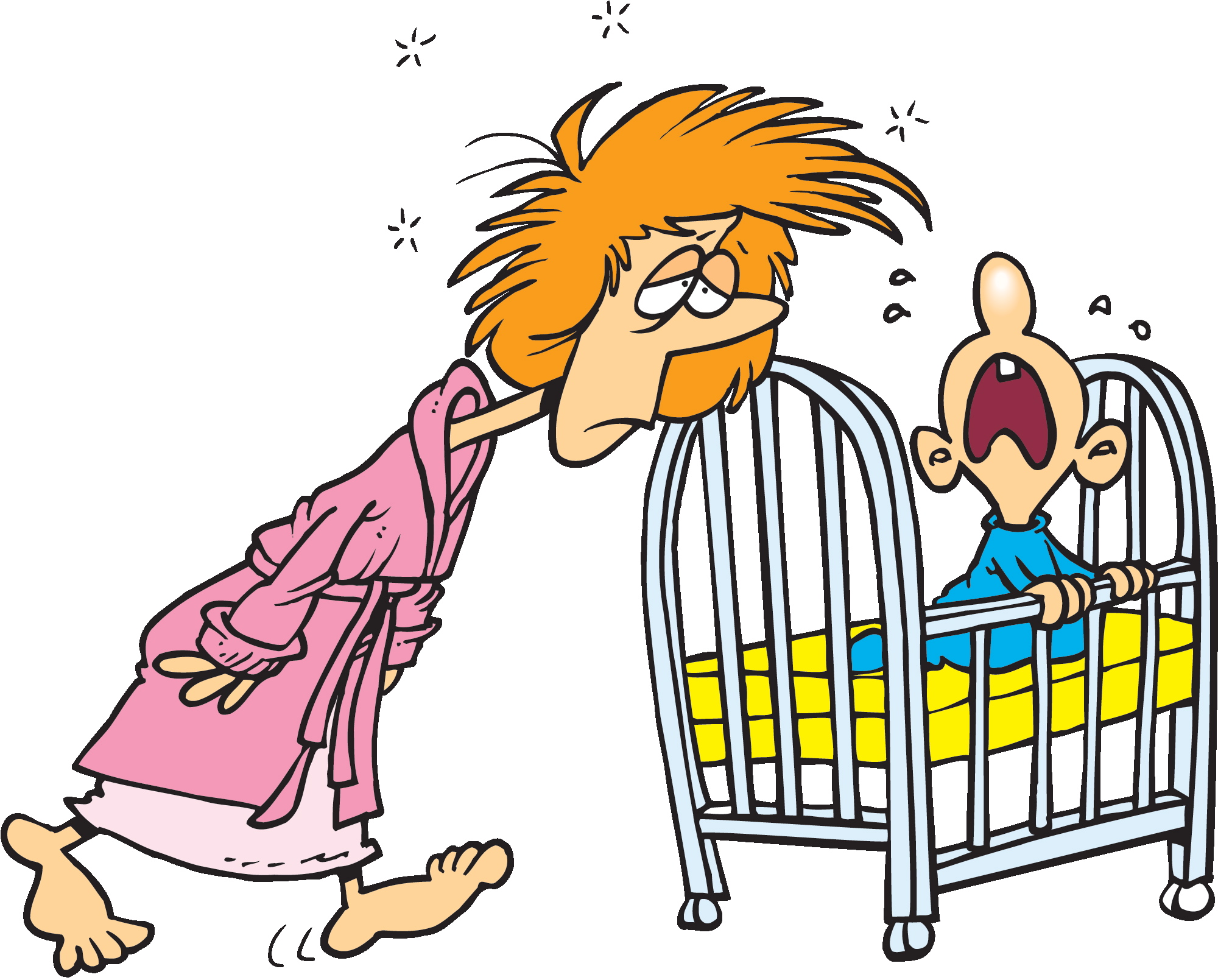
A Simple Method for Getting Children off to Sleep

In my practice one of the more common struggles reported by parents and caregivers is getting children off to sleep in their own bed.  What follows is a simple method to address this issue that I often recommend, and that I used with my own children.

Before I get to the method, I want to advise that there are many and varied reasons why children have difficulty getting off to sleep in their own bed. Time and space do not permit me to go into all possible reasons here. What I would say is that the method presented here is appropriate for many of the reasons why children have this difficulty. It is offered as general advice and is not a substitute for a full assessment and recommendation from an appropriately qualified paediatric sleep specialist.

Firstly, children’s sleep patterns are subject to a sleep-wake cycle, which is physiological in nature but strongly influenced by bed-time and wake-time routines. A stable and consistent bed-time and wake-time are important for establishing a stable sleep-wake cycle. That’s right, a stable wake-time is just as important as a stable bed-time. If your child is having difficulty getting off to sleep, don’t let them sleep in. Wake them up at a consistent time every day, regardless of how long it took them to go to sleep. Their wake-time should usually be approximately twelve hours after their bed-time.

The sleep-wake cycle is also affected by exposure to light and its impact on melatonin production. Melatonin production is implicated in the onset of sleep. Light is thought to suppress melatonin production. So, ensure that your child is in a light-reduced environment for at-least thirty minutes before their bed-time. If your child requires a night light, use an orange one as it has been suggested that orange light does not suppress melatonin production as much as other forms of light.

Now, once it is bed-time, I suggest that you put your child to bed and sit or lay alongside them for approximately twenty minutes. In that time, you should read to them and sing them lullabies. Read first; then sing. As with other aspects of parenting and caregiving, consistency is important here. I suggest rotating through a small number of books and a small number of lullabies across consecutive nights. Children draw comfort from the predictability of the bed-time routine, thus preparing them for the separation involved in going to sleep. After a while, the lullabies are likely to become associated with feelings of sleepiness, with the result that the child begins to feel sleepy when the same lullabies are sung to them.

If your child falls asleep during the above, you are free to leave the room. If they are still awake, you move to the next stage of the method. This involves providing the profound reassurance the child requires to cope with separation and go to sleep. If it works, it will circumvent the child’s effort to engage in proximity-seeking behaviour, such as calling out, getting out of bed, searching for you, complaining of having a tummy ache, asking to go to the toilet, and so on.

After you have read and sung to your child, say to them something like “I am just going to put the light on in the next room and I will be right back. You can stay awake until I come back”. Then, you literally walk out of the room and walk back in almost straight away. You acknowledge that the child is okay and then say “I am just going to put the kettle on and I will be straight back. You can stay awake until I come back”. You then do this and when you return to the child you say something like “I am just going to the toilet and I will be straight back. You can stay awake until I come back”. You then do this and when you return to the child you say something like “I am just going to have my cup of tea and I will be straight back. You can stay awake until I come back”. With each separation, you tell the child that you are doing an activity that takes longer and longer to complete. You keep doing this until, when you return to the child, you find them to be asleep.

Speaking of activities that have temporal (i.e.time) meaning is more easily understood by the child than saying “I’ll be back in a minute”. Choosing longer and longer activities involves exposing children gradually to separations, such that they do not become overly anxious, call out or get out of bed. It is important to return to the child before they call out or get out of bed, because parent-initiated proximity is more reassuring than child-initiated proximity. So adjust the separation as required to ensure that you get back to them before they leave their bed to find you! Telling the child to stay awake is an important way to circumvent potential conflict and associated parental frustration, with the result that the child is calmer and more likely to fall asleep. Put in a different way, this is a useful way of making use of “reverse-psychology”.

Playing relaxing classical music softly in the child’s bedroom is a useful adjunct to the above. Finally, enjoy this special time spent with your child. I did, and  experienced sadness when my youngest said “dad, I don’t need you to stay with me anymore”.

To access a PDF of this article and other resources, click here.

Colby Pearce Resilience

For more information about the theory behind the above methodology, please refer to my book A Short Introduction to Promoting Resilience in Children.

If you found the information in this article useful, please share it using the sharing buttons below.

Please also subscribe to this blog to receive further ideas and guidance when it becomes available.

Join 5,447 other subscribers

For more information about my work visit securestart.com.au.

You can access more information about my programs by clicking the links below:

CARE embedded in AAA

Triple-A Model of Therapeutic Care

The CARE Therapeutic Framework

Helping Children and Young People Realise their Potential

Another place to connect with my work is to follow one or more of my pages on Facebook:

Secure Start Therapeutic Care

Secure Start

To Connect with me on LinkedIn or Twitter click below:

LinkedIn

Twitter

Posted in AAA Caregiving, Adoption, Fostering, kinship care, Parenting | Tagged , , , , , , , , , , | 4 Comments

Helicopter Parenting

Today, I have commented on three published articles that carry a similar theme.  The theme is that so-called “helicopter parenting” causes anxiety and impedes the development of resilience in children.

The problem I have with such articles is that they assume all readers will understand what is meant by the term “helicopter parenting”. They do not  precisely describe helicopter parenting in terms relating to overprotectiveness (which, incidentally, is another vague term). In failing to do so, they run the risk of the average reader forming the impression that any form of proactive care and sensitive responsiveness is potentially harmful to children’s development and emotional wellbeing. Such articles typically also fail to acknowledge that the vast majority of parents were “helicopter parents” when their children were infants; that this is a good thing because it promotes attachment security, which underpins future developmental outcomes and resilence; and that children’s self-confidence and resilience is enhanced by parents standing alongside or shoulder to shoulder in times of adversity, such that the child is more likely to experience mastery and less likely to experience overwhelming and disempowering failure.

My message is be there for your children!

For more information I would refer the reader to my earlier blog post concerning helicopter parenting. For more information about promoting resilience in children, please refer to my book A Short Introduction to Promoting Resilience in Children.

Posted in Adoption, Attachment, Children's Behaviour, Fostering, Parenting, Resilience, Wellbeing | Tagged , , , , , | Leave a comment

Attached to the Unattached

John was a superficially charming fourteen-year-old lad with bright red hair and a ready smile. I met John soon after I began my first appointment as a Clinical Psychologist. John was a Ward of the State. He was referred to me because statutory social workers who were responsible for his care were concerned about his volatile and at-risk behaviours. John had made a number of suicidal gestures, was often AWOL from the facility at which he resided and was known to abuse substances.

I had never before met anyone like John and was not entirely sure what to do with him. Though I did not know it at the time, I had received my first referral of an “attachment-disordered” youth. My next step was also my first in a career specialisation in the diagnosis and treatment of attachment-disordered children.

I read a book. It was Richard Delaney’s Fostering Changes. This was my first introduction to the world of the attachment-disordered child, and in particular, their world view. I discovered that attachment-disordered children do not see themselves, others and the world in which we live as we, who were blessed with accessible, understanding, responsive and attuned parents, see the world. Rather, they predominantly see themselves as bad and unlovable, others as mean and uncaring, and the world as a harsh and threatening place.

I then began to wonder about what I had been taught during six years of training at university. I had never heard of attachment disorders in an academic environment dominated by behavioural and cognitive-behavioural theories and models of practice. And then one day it occurred to me that one of the most famous series of experiments in psychology, a series of experiments that informed academic and applied psychology for half a century, was directly relevant to the experience of the attachment-disordered child, and our understanding of them.

Click here to read the complete article, which was published in SEN Magazine in September 2011.

Posted in Adoption, Attachment, Children's Behaviour, Fostering, Trauma | Tagged , , , , , , , , , , | Leave a comment