Colby Pearce
-
-

Supporting consistent Therapeutic Caregiving -

Companion App for Therapeutic Classrooms and alignment with home. A practical guide to Attachment & Attachment Disorder

Resilient Kids

Secure Start – Trauma Informed

Self-Paced Learning Modules
The CARE Curriculum
-

Sister Site
Author Archives: colbypearce

About colbypearce
I am a practising Clinical Psychologist with twenty-seven years’ experience working with children and young people recovering from abuse and neglect. I am also an author and educator in trauma-informed, therapeutic caregiving. My programs are implemented in Australia and Ireland, and I am well-known for my practical and accessible guidance for caregivers and professionals alike.Sam’s Story
Hello. I developed the video, below, and the story that accompanies it, to help young people, and adults who interact with them, to better understand the impact of attachment trauma and their development and approach to life and relationships. I … Continue reading →
Posted in trauma informed
|
Tagged attachmenttrauma, childhoodtrauma, childwelfare, fostercare, kinshipcare, psychologist, socialcare, socialworker, traumainformed
|
Leave a comment
Redundancy as a goal of trauma-focused psychotherapy
When you take on the psychotherapy role with a child or young person who is recovering from as tough start to life in out-of-home care, there is a real possibility that you will become the most consistent and enduring adult … Continue reading →
Posted in Therapy, trauma informed
|
Tagged counselling, psychology, psychotherapy, traumainformed
|
Leave a comment
What’s in a name? A Short Introduction to Attachment and Attachment Disorder
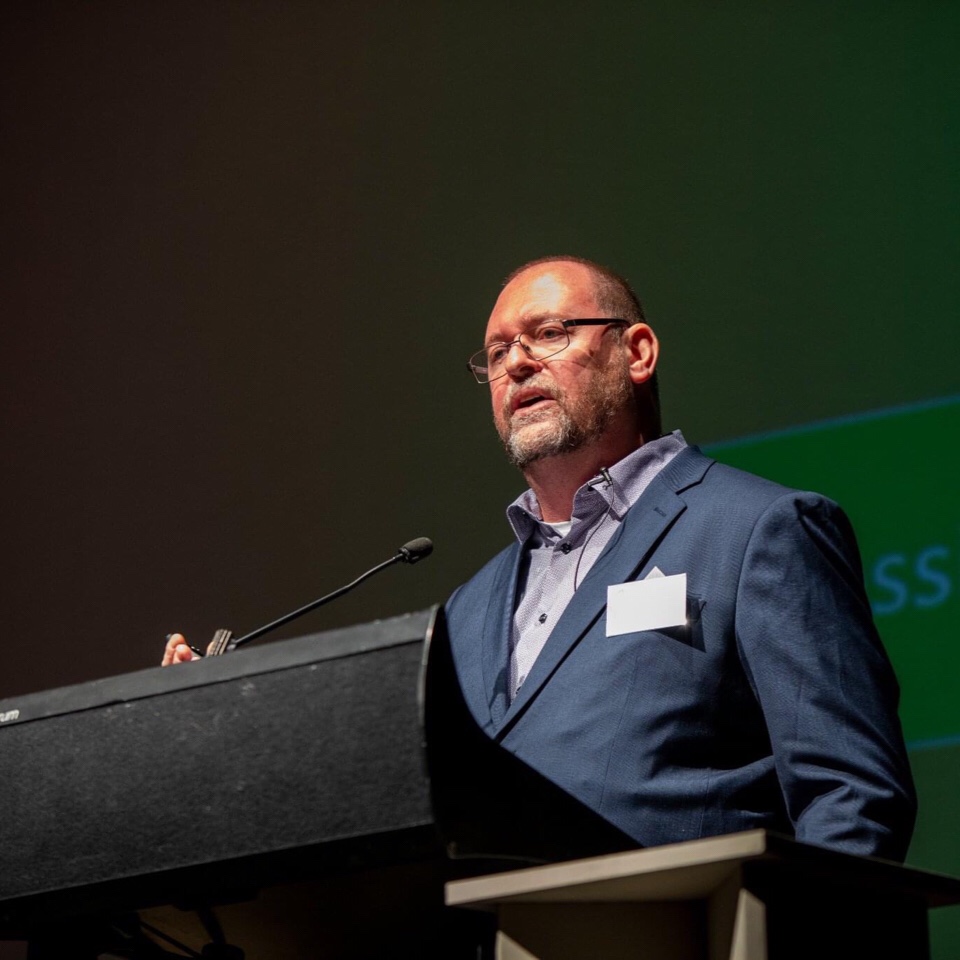
What’s in a name? The image above was taken six years ago. Sadly, I don’t look quite the same these days! I am photographed, here, with the second edition (published December 2016) of one of my books, which was first … Continue reading →
Posted in Attachment, Fostering, kinship care, Parenting, trauma informed
|
Tagged attachmentdisorder, attachmenttheory, attachmenttrauma
|
Leave a comment
Why do my child’s support professionals say that behaviour management doesn’t work?
Conventional responses to behaviours of concern, such as reward and punishment strategies, are widely considered to be ineffective in addressing the complex and challenging behaviours exhibited by children and young people who have experienced complex, relational, or early/developmental trauma. This … Continue reading →
Removal from family: An enduring sensitivity
The decision to remove a child or young person from the care of their birth parents is a grave one that confronts child protection authorities daily. Removal occurs with the intention of protecting the child from harm and securing their … Continue reading →
Child welfare intervention outcomes: what does trust in the accessibility and responsiveness of adults look like?
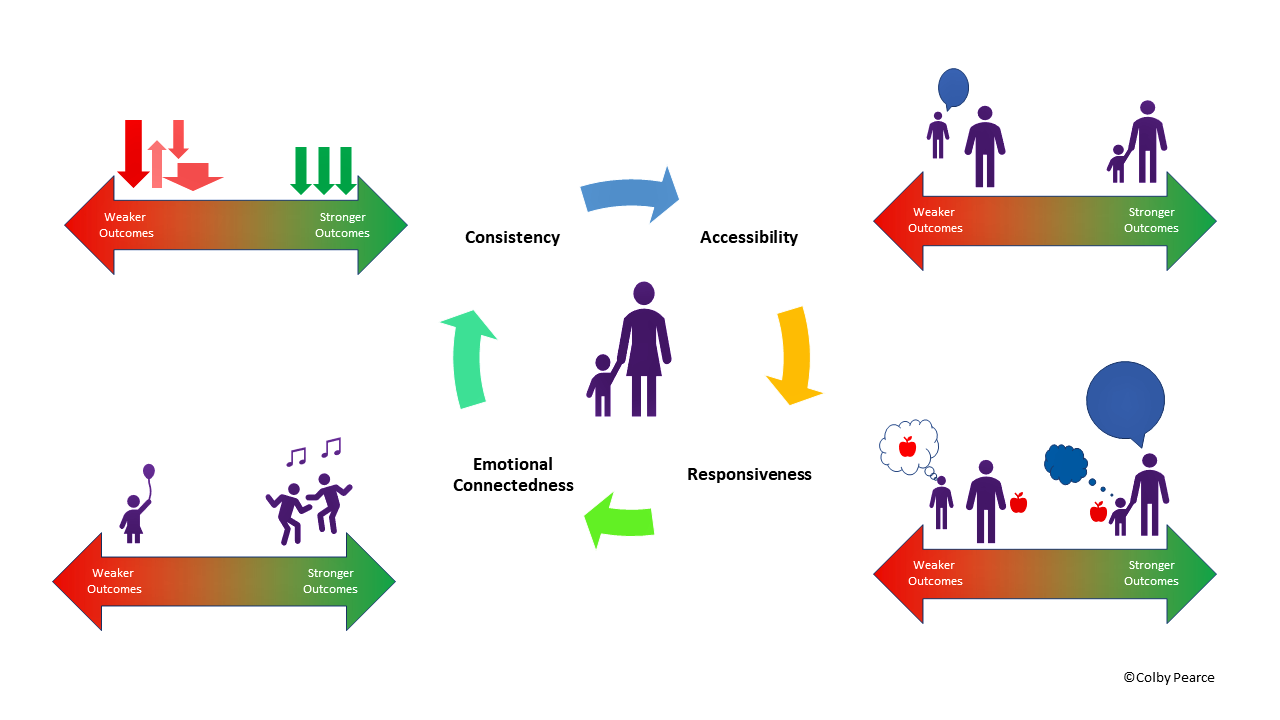
In this the final blog of the series, I will present what I think functional learning about the accessibility and responsiveness of adults in a caregiving role for needs provision looks like. I recommend that the reader also take a … Continue reading →
Posted in AAA Caregiving, Adoption, Attachment, Fostering, kinship care, trauma informed
|
Tagged Child Protection, child welfare, fostercare, kinshipcare, socialcare, socialwork, socialworker, traumainformed
|
Leave a comment
Outcomes in child welfare: What a well-modulated nervous system looks like
In this, the third blog in this series, I will write about what a well-modulated nervous system looks like among children and young people who are recovering from a tough start to life. Please also refer to the first and … Continue reading →
Posted in AAA Caregiving, Fostering, kinship care, trauma informed
|
Tagged adoption, attachment, attachment theory, child welfare, fostercare, kinshipcare, socialcare, socialworker, trauma informed
|
1 Comment
What attachment security looks like
In the first blog of this series about child welfare intervention outcomes, I wrote about the importance of knowing, and being able to say, what progress toward successful outcomes looks like. In this second blog of the series, I will … Continue reading →
Posted in Adoption, Fostering, kinship care, trauma informed
|
Tagged adoption, attachment, attachmentdisorder, attachmenttheory, familyservices, fostercare, kinshipcare, parenting, psychology, socialcare, socialwork, traumainformed
|
2 Comments
The Practitioner Scientist in Child Welfare
Some know that while attaining my post-graduate qualifications in Psychology I worked for five years as a Research Officer in the local Child and Adolescent Mental Health Service (CAMHS). During this period I worked closely with Psychiatry staff who were … Continue reading →
Posted in trauma informed
|
Tagged attachment, childwelfare, childwelfareleadership, socialcare, socialservices, traumainformed
|
Leave a comment
Child Welfare Intervention Outcomes: What we know and what we see
What outcomes do you expect to see as a result of my service provision? This is a question I routinely ask in my work. Put another way: What are the benefits the individual(s) or organisation who engages my services anticipate … Continue reading →
Posted in AAA Caregiving, Therapy, Training Programs, trauma informed care, trauma informed practice, Trauma Informed Schools
|
Tagged Attachment Disorder, attachment theory, Child Protection, child welfare, child welfare leadership, foster care, kinship care, psychologist, psychology, schools, Social Care, Social Work, socialworker, trauma informed
|
3 Comments