Colby Pearce
-
-

Supporting consistent Therapeutic Caregiving -

Companion App for Therapeutic Classrooms and alignment with home. A practical guide to Attachment & Attachment Disorder

Resilient Kids

Secure Start – Trauma Informed

Self-Paced Learning Modules
The CARE Curriculum
-

Sister Site
Tag Archives: attachment theory
Why is my child’s room always messy?
Messy bedrooms are not necessarily evidence of a chaotic mind or wilful disobedience. For children who are recovering from a tough start to life due to abuse and neglect or other forms of hardship, it can be a sign that … Continue reading →
Supporting Strong Developmental Outcomes: The case for CARE and Attachment Security
Raising children who have the best chance of achieving their potential involves connection with our task. It involves parenting with intention; thinking about what we are doing, and why. It involves holding the child in our mind; especially their experiences … Continue reading →
Posted in AAA Caregiving, Attachment, Fostering, kinship care, Parenting, trauma informed
|
Tagged adoption, attachment, Attachment Disorder, attachment theory, child development, Child Protection, child welfare, child welfare leadership, fostering, parenting, psychologist, psychology, social worker, trauma aware, trauma informed
|
Leave a comment
A Short Introduction to Attachment and Resilience
I have maintained this blog site or more than ten years. This will be the 250th post published to it. Given the sheer volume of content I have decided to make a post with links to the posts that I … Continue reading →
Posted in AAA Caregiving, Adoption, Attachment, Fostering, kinship care, Parenting, Schools, Therapy, Training Programs, trauma informed
|
Tagged attachment, attachment theory, child care, child development, Child Protection, child welfare, children's behaviour problems, fostercare, kinshipcare, parenting, psychology, reactive attachment disorder, residential care, resilience, self-care, Social Work, therapeutic, therapeutic care, training, trauma-informed, wellbeing
|
Leave a comment
Trauma-informed training for foster, adoptive, and kinship carers
This morning I read an interesting narrative review of fifteen evaluation studies of trauma-informed care training for foster and adoptive parents (and kinship carers): Lotty, M, Bantry-White, E, & Dunn-Galvin, A, (2021) Trauma-informed care psychoeducational group-based interventions for foster carers … Continue reading →
Posted in AAA Caregiving, Adoption, Attachment, Fostering, kinship care, training, Training Programs, trauma informed, trauma informed care, trauma informed practice, Trauma Informed Schools
|
Tagged adoption, attachment theory, child development, Child Protection, child psychologist, child welfare, Education, foster care, kinship care, psychoeducation, psychology, schools, trauma aware, trauma informed, trauma responsive
|
Leave a comment
Relationships Regulate and Repair
Relational trauma, such as that which occurs as a result of abuse and neglect, impacts three key areas of relational connection: The relational connection a child has with others, including those who care for them; The relational connection the child … Continue reading →
Posted in AAA Caregiving, Fostering, kinship care, Parenting, Therapy, trauma informed care, trauma informed practice, Trauma Informed Schools
|
Tagged attachment, attachment theory, child development, Child Protection, child welfare, child welfare leadership, connection, fostercare, kinship care, psychologist, psychotherapist, psychotherapy, relational connection, relational trauma, residential child care, social worker, trauma, trauma informed, trauma responsive
|
2 Comments
Intentional parenting benefits you and your kids
With lots of things that command our attention these days, it is natural to approach aspects of our life and roles in the easiest manner possible. In Psychology, automaticity is concept used to describe times in which we perform a … Continue reading →
Posted in Uncategorized
|
Tagged adoption, attachment, Attachment Disorder, attachment theory, educators, fostercare, fostercarer, fostercarers, grandparents, kinshipcarers, parent, parenting, parents, socialcare
|
Leave a comment
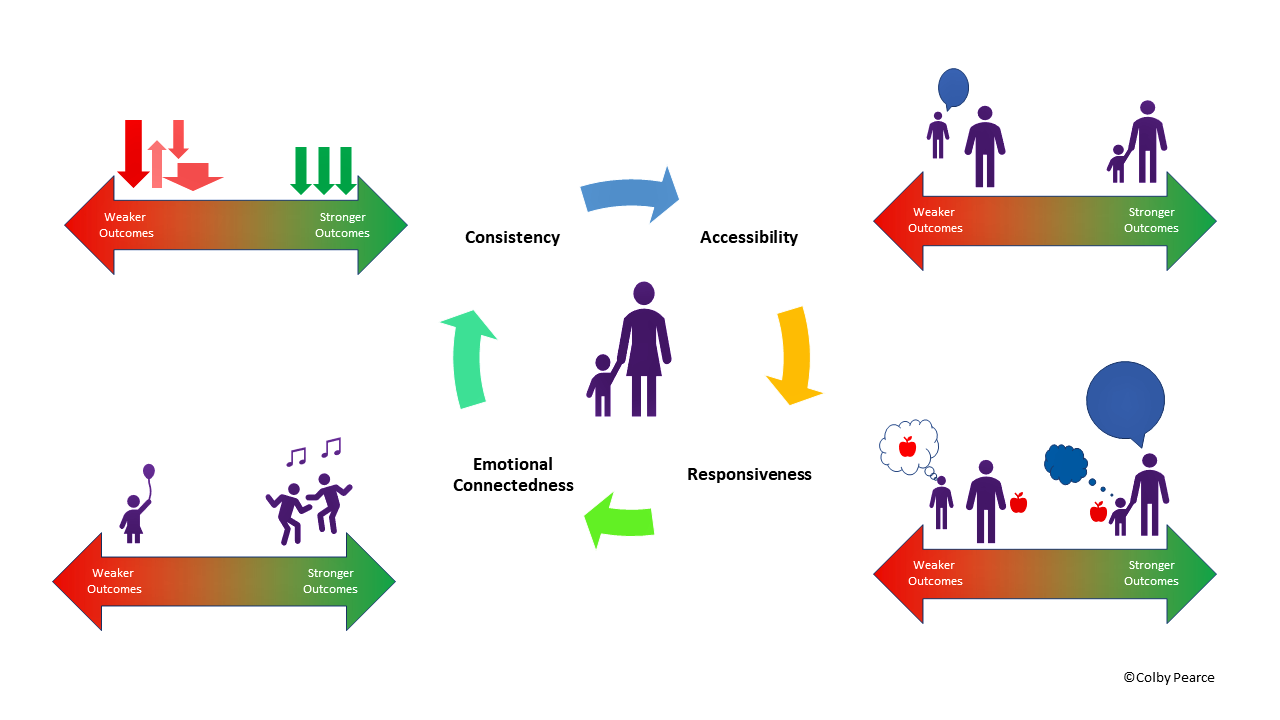
A common knowledge, language, and approach for parents, professionals, and organisations: The CARE Curriculum
The CARE Curriculum offers a comprehensive approach to the delivery of culturally-sensitive, trauma-informed and -responsive services among families recovering from adverse life and family circumstances, via the delivery of enriched CARE. Continue reading →
Posted in AAA Caregiving, Adoption, Attachment, Fostering, kinship care, Parenting, Training Programs, trauma informed, trauma informed care, trauma informed practice
|
Tagged adoption, attachment, attachment theory, childprotection, childwelfare, childwelfareleadership, fostercare, kinshipcare, mentalhealth, psychology, socialcare, socialwork, trauma, traumainformed, traumainformedcare, traumainformedpractice, traumaresponsive
|
Leave a comment
All relationships are important for attachment security
All attachments are significant. All influence our approach to life, roles and relatedness. This is particularly important in child welfare and related endeavours where the focus is facilitating recovery from a tough start to life and traumatic relationships, including through the promotion of attachment security. Continue reading →
Posted in AAA Caregiving, Adoption, Attachment, Fostering, kinship care, Parenting, Training Programs, trauma informed, trauma informed care, trauma informed practice
|
Tagged attachment, Attachment Disorder, attachment theory, child care, child development, Child Protection, child welfare, child welfare leadership, trauma, trauma informed, trauma responsive
|
2 Comments
Aboriginal Kinship Care
In the language of the original inhabitants of the Adelaide region, Martinthi means ‘to embrace/to clasp/to hold’ and reflects the importance of connection and community amongst Aboriginal peoples. Continue reading →
Child Psychotherapy: An update about my approach
I am frequently asked about my approach to psychotherapy with children and young people. In this blog I reproduce an explanation for parents and caregivers that appears on the Secure Start website. Psychology is a broad term that covers the … Continue reading →
Posted in Uncategorized
|
Tagged attachment, attachment theory, child psychologist, Child Psychotherapy, Clinical Psychologist, counselling, psychotherapist, psychotherapy, social welfare, social;worker, socialwork, sounsellor, therapist, Therapy, trauma informed, trauma informed practice, trauma informed therapy
|
1 Comment




 Attachment and Resilience