Colby Pearce
-
-

Supporting consistent Therapeutic Caregiving -

Companion App for Therapeutic Classrooms and alignment with home. A practical guide to Attachment & Attachment Disorder

Resilient Kids

Secure Start – Trauma Informed

Self-Paced Learning Modules

The CARE Curriculum
-

Sister Site
Category Archives: trauma informed care
Enhancing Therapeutic Environments with AURA by Secure Start
For many years now I have been thinking about the usefulness of having an app on the phones of parents and carers of children I am working with, which reminds them of important aspects of maintaining a therapeutic environment in … Continue reading →
Posted in AAA Caregiving, Adoption, Attachment, Fostering, kinship care, Parenting, Therapy, trauma informed, trauma informed care
|
Tagged adoption, ai, attachment, Education, family, foster care, fostercare, fostering, kinship care, mental health, parenting, Social Care, social care leadership, technology, trauma informed
|
Leave a comment
Getting Behaviour Management Right for Deeply Hurt and Troubled Children and Young People: A Triple-A Approach
Recently, I was invited to deliver training to staff of a local children’s services organisation. I chose to deliver the training on a reflective process for understanding and responding therapeutically to behaviours of concern exhibited by children and young people … Continue reading →
Posted in AAA Caregiving, Fostering, kinship care, Parenting, Schools, trauma informed care, Trauma Informed Schools
|
Tagged attachment, attachment theory, Colby Pearce, Donald Winnicott, foster care, John Bowlby, kinship care, OOHC, out of home care, parenting, residential child care, school, social worker, teacher, therapeutic care, trauma informed, trauma informed school
|
2 Comments
How can I tell what need or experience is the real reason for the child’s behaviour?
Watch this video to hear hear me talk about the real reasons for behaviours of concern exhibited by children and young people recovering from a tough start to life. You will hear about three key reflective questions to ask and … Continue reading →
Posted in AAA Caregiving, Adoption, Fostering, kinship care, Parenting, trauma informed, trauma informed care, Trauma Informed Schools
|
Tagged adoption, attachment, behaviour, child psychologist, child welfare, children, childrens behaviour, Education, fostercare, fostering, kinship care, mental health, parenting, relationships, Social Care, trauma informed
|
Leave a comment
What should be the focus of our work in child protection and social care?
In this short video, drawn from an interview I participated in for Therapeutic Residential and Foster Care for Traumatised Children, I address the question of what I think should be the focus of our work in child protection and social … Continue reading →
One piece of advice I would give to people considering working in child protection and social care
In this short video, extracted from a recent interview I gave to Therapeutic Residential and Foster care, I respond to the question about what one piece of advice I would give to people (considering) working in child protection and social … Continue reading →
Posted in AAA Caregiving, Adoption, Attachment, Fostering, kinship care, Parenting, trauma informed care
|
Tagged adoption, childwelfare, fostercare, kinshipcare, socialcare, traumainformed
|
Leave a comment
Why does my child react so badly to me saying “no”?
In this video, I explain why children recovering from developmental trauma, in particular, react so extremely the word “no”, and suggest some ways to respond therapeutically to this. The video is intended to be of most interest to those who … Continue reading →
Posted in AAA Caregiving, Fostering, kinship care, Parenting, trauma informed, trauma informed care
|
Tagged attachment theory, Child Protection, child welfare, foster care, fostering, kinship care, parenting, parents, Social Care, trauma informed, trauma informed care, trauma informed practice
|
Leave a comment
What is Trauma Informed Practice? The CARE Curriculum
In this video, I lay out the key reflections embedded the CARE Curriculum, which are integral to facilitating an outcome where our children and young people experiences themselves as worthy and capable, others as responsive and trustworthy, and their world … Continue reading →
Posted in trauma informed, trauma informed care, trauma informed practice, Trauma Informed Schools
|
Tagged attachment theory, Child Protection, child welfare, foster care, kinship care, parenting, Social Care, therapeutic care, trauma informed, trauma informed care, trauma informed practice, trauma informed school
|
Leave a comment
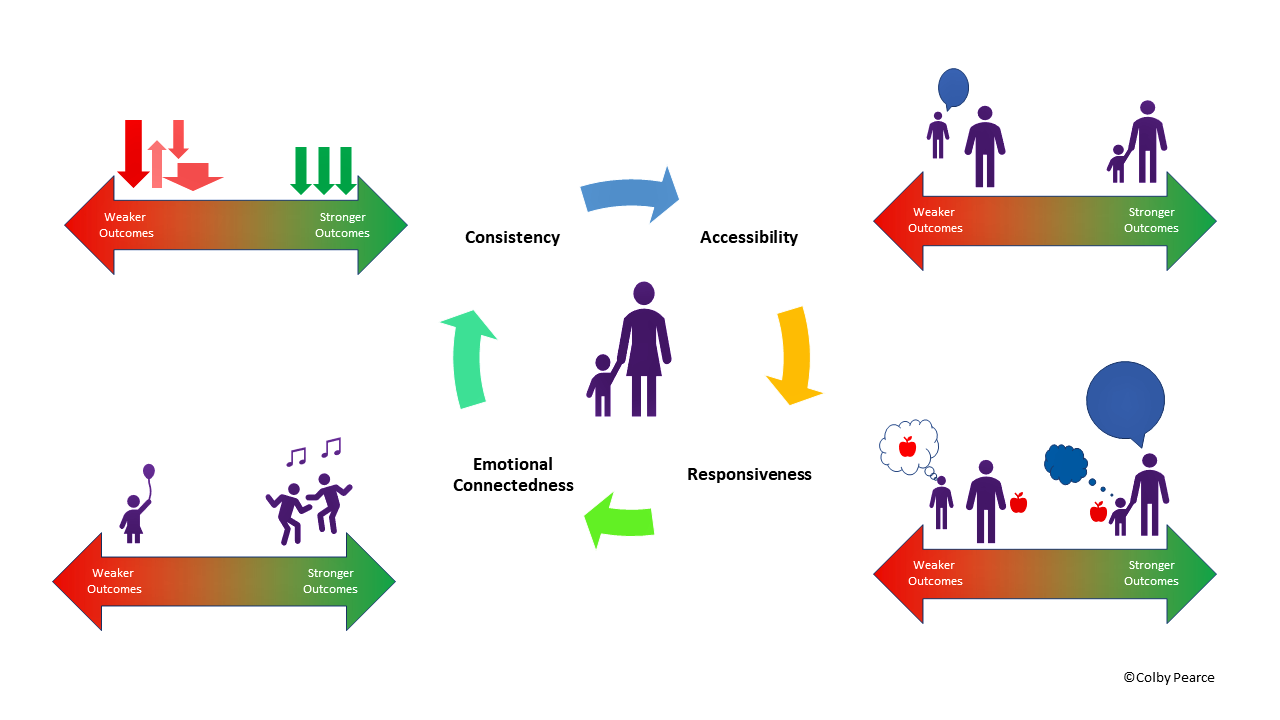
What are the characteristics of good parenting?
In this video I talk about what are the qualities of good parenting. I made this video to support care and protection decision-making in child protection. If we have a set of dimensional constructs against which to evaluate parenting it … Continue reading →
Building self-worth after trauma
They blame themself For me building self-worth is a critical task when reflecting on the care requirements of children and young people who are recovering from a tough start to life. Self-worth is one of the main casualties of early … Continue reading →
Posted in Fostering, kinship care, trauma informed care
|
Tagged childprotection, childwelfare, childwelfareleadership, fostercare, fostering, kinshipcare, parenting, self-image, self-worth, socialcare, traumainformed
|
Leave a comment
Self-Paced Learning Modules
Online, Self-Paced Dear followers of this blog. For much of the past twenty-eight years working in child protection I have developed and delivered content designed to support the endeavours of carers and professionals who interact with children and young people … Continue reading →
Posted in AAA Caregiving, Attachment, Fostering, kinship care, Parenting, Schools, training, Training Programs, trauma informed, trauma informed care, trauma informed practice, Trauma Informed Schools
|
Tagged attachment, attachmentmatters, childdevelopment, childprotection, childwelfare, childwelfareleadership, educator, fostercare, kinshipcare, mentalhealth, schools, socialcare, socialworker, teacher
|
Leave a comment




 Attachment and Resilience