
Colby Pearce
-
-

Supporting consistent Therapeutic Caregiving -

Companion App for Therapeutic Classrooms and alignment with home. A practical guide to Attachment & Attachment Disorder

Resilient Kids

Secure Start – Trauma Informed

Self-Paced Learning Modules

The CARE Curriculum
-

Sister Site
Tag Archives: child welfare leadership
How long does it take for therapeutic care strategies to work?
The ‘failure’ of a therapeutic care strategy to achieve the desired outcome on first administration does not necessarily mean that it will not or that it is a worthless strategy. Children and young people who are recovering from a tough … Continue reading →
Posted in AAA Caregiving, Adoption, Attachment, Fostering, kinship care, Parenting, trauma informed, trauma informed care
|
Tagged adoption, Child Protection, child welfare, child welfare leadership, foster care, kinship care, Social Care, socialwork, therapeutic care, trauma informed
|
Leave a comment
Why is the child I am caring for unsettled after contact with their birth parent?
Children and young people who could not be safely cared for at home by their mum and/or dad are afforded contact with their birth parents where it is safe and appropriate to do so. Contact done well preserves a sense … Continue reading →
Posted in trauma informed
|
Tagged attachment theory, Child Protection, child welfare, child welfare leadership, trauma informed
|
Leave a comment
Why is my child’s room always messy?
Messy bedrooms are not necessarily evidence of a chaotic mind or wilful disobedience. For children who are recovering from a tough start to life due to abuse and neglect or other forms of hardship, it can be a sign that … Continue reading →
Supporting Strong Developmental Outcomes: The case for CARE and Attachment Security
Raising children who have the best chance of achieving their potential involves connection with our task. It involves parenting with intention; thinking about what we are doing, and why. It involves holding the child in our mind; especially their experiences … Continue reading →
Posted in AAA Caregiving, Attachment, Fostering, kinship care, Parenting, trauma informed
|
Tagged adoption, attachment, Attachment Disorder, attachment theory, child development, Child Protection, child welfare, child welfare leadership, fostering, parenting, psychologist, psychology, social worker, trauma aware, trauma informed
|
Leave a comment
More than a spare room: What kids really need from foster carers
I have been thinking about what children and young people who cannot be safely cared for at home need from their foster carers. I want readers to adopt a broad definition of foster for the purposes of this post, including … Continue reading →
Posted in AAA Caregiving, Attachment, Fostering, kinship care, Parenting, trauma informed
|
Tagged attachment, Child Protection, child welfare, child welfare leadership, fostercare, kinshipcare, parenting, residential care, Social Care, therapeutic care, therapeutic foster care, trauma informed, trauma informed care
|
Leave a comment
Is your service trauma-aware, trauma-responsive, or trauma-informed?
Borrowing from ideas underpinning culturally safety in service provision, where a distinction exists between being culturally aware, culturally responsive, and culturally safe, there is worth in distinguishing what is trauma-informed practice, as opposed to trauma aware and responsive. Culturally safe … Continue reading →
Relationships Regulate and Repair
Relational trauma, such as that which occurs as a result of abuse and neglect, impacts three key areas of relational connection: The relational connection a child has with others, including those who care for them; The relational connection the child … Continue reading →
Posted in AAA Caregiving, Fostering, kinship care, Parenting, Therapy, trauma informed care, trauma informed practice, Trauma Informed Schools
|
Tagged attachment, attachment theory, child development, Child Protection, child welfare, child welfare leadership, connection, fostercare, kinship care, psychologist, psychotherapist, psychotherapy, relational connection, relational trauma, residential child care, social worker, trauma, trauma informed, trauma responsive
|
2 Comments
All relationships are important for attachment security
All attachments are significant. All influence our approach to life, roles and relatedness. This is particularly important in child welfare and related endeavours where the focus is facilitating recovery from a tough start to life and traumatic relationships, including through the promotion of attachment security. Continue reading →
Posted in AAA Caregiving, Adoption, Attachment, Fostering, kinship care, Parenting, Training Programs, trauma informed, trauma informed care, trauma informed practice
|
Tagged attachment, Attachment Disorder, attachment theory, child care, child development, Child Protection, child welfare, child welfare leadership, trauma, trauma informed, trauma responsive
|
2 Comments
Aboriginal Kinship Care
In the language of the original inhabitants of the Adelaide region, Martinthi means ‘to embrace/to clasp/to hold’ and reflects the importance of connection and community amongst Aboriginal peoples. Continue reading →
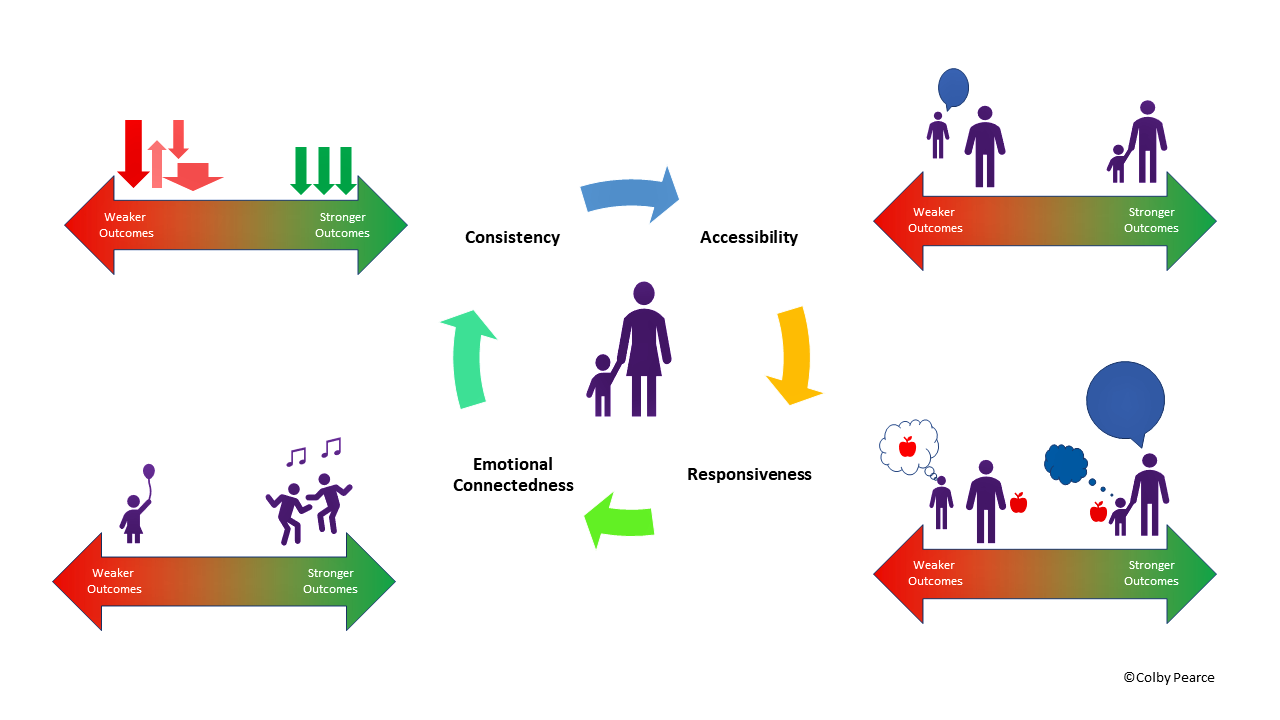
Theory of Accessibility to Needs Provision
Below is a statement that reflects the third ‘A’ in the Triple-A Model – Accessibility (to needs provision). It captures my thoughts and my response when I am talking to caregivers about their experience of the behaviour of a child … Continue reading →
Posted in AAA Caregiving, Adoption, Attachment, Fostering, kinship care, Parenting, trauma informed care, Trauma Informed Schools
|
Tagged attachment, Child Protection, child protection week, child welfare, child welfare leadership, childcare, children, Education, educators, fostercare, grandparents, kinshipcare, parenting, psychology, relativecare, schools, socialcare, teachers, trauma informed, trauma informed classroom, trauma informed practice, traumainformedcare
|
Leave a comment




 Attachment and Resilience