Colby Pearce
-
-

Supporting consistent Therapeutic Caregiving -

Companion App for Therapeutic Classrooms and alignment with home. A practical guide to Attachment & Attachment Disorder

Resilient Kids

Secure Start – Trauma Informed

Self-Paced Learning Modules

The CARE Curriculum
-

Sister Site
Tag Archives: child development
The Aqua Balloon: An allegory about growth and love from the psychology consulting room
In my therapeutic work with children and young people I incorporate play activities in order for them to experience themselves in a way that challenges existing unhelpful ideas. My intent is to support and strengthen an alternative self-concept that is … Continue reading →
Posted in Attachment, Therapy, trauma informed practice
|
Tagged child development, childcare, children, early years, educator, educators, fostercare, fostercarer, kinshipcare, kinshipcarer, parent, parenting, psychology, resilience, socialcare, trauma informed, wellbeing
|
Leave a comment
Five tips for supporting children impacted by natural disasters
This short article is a brief follow-up to Disaster Relief: Helping Children During (and After) Community Traumatic Events. Continue reading →
Posted in Adoption, Fostering, kinship care, Parenting, Trauma, trauma informed, trauma informed care, Wellbeing
|
Tagged adoption, bushfires, child care, child development, early years, Education, educator, foster care, foster carer, kinship care, kinship carer, kinship carers, natural disasters, parent, parenting, parents, post adoption support, recovery, Social Care, trauma, wellbeing
|
1 Comment
Five tips for getting your child off to sleep in their own bed
One of the more common struggles reported by parents and caregivers is getting children off to sleep in their own bed. What follows is a simple method to address this issue that I often recommend, and that I used with … Continue reading →
Posted in early learning, Fostering, kinship care, Parenting, Uncategorized
|
Tagged adoption, attachment, child care, child development, childcare, early years, Education, educator, educators, foster care, foster care support, foster carer, howto, kinship care, kinshipcare, kinshipcarer, parent, parenting, parents, post adoption support, sleep, Social Care, socialcare
|
1 Comment
Therapeutic Parenting – The CARE Curriculum
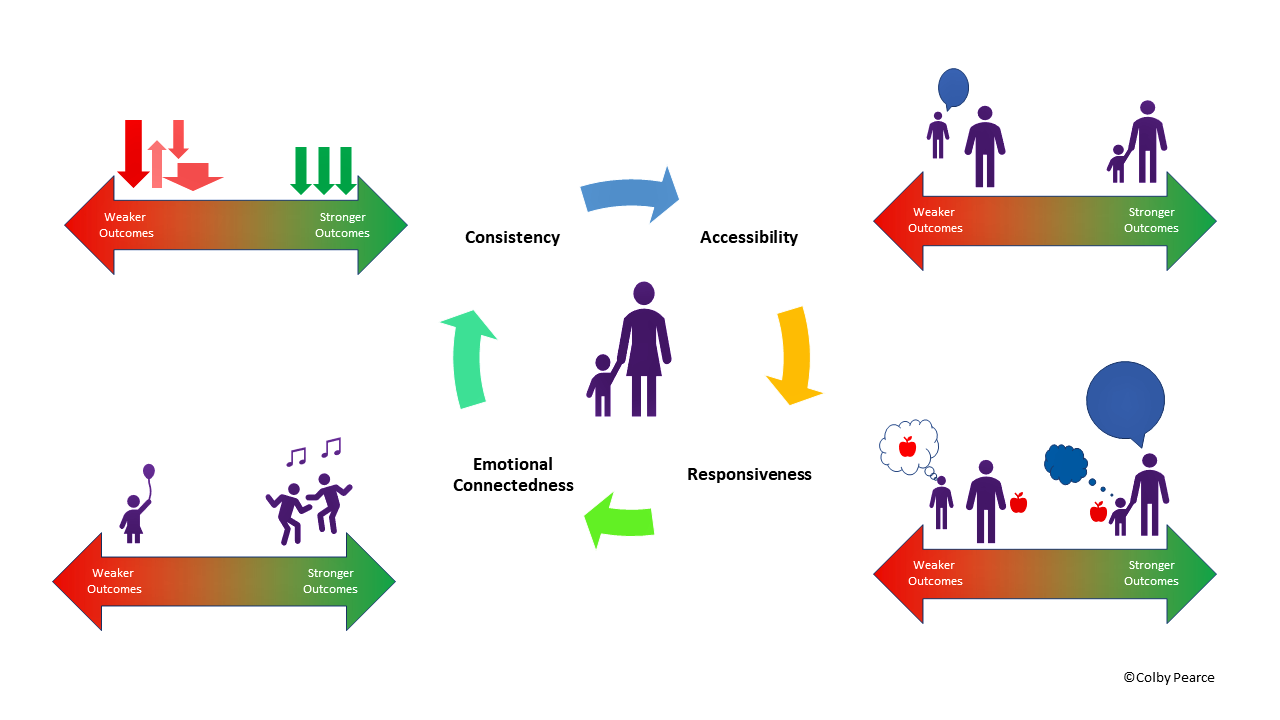
Since I began updating A Short Introduction to Attachment and Attachment Disorder in early 2016, the CARE Therapeutic Framework is the name I have used when referring to content and strategies associated with the CARE Model (Consistency, Accessibility, Responsiveness, Emotional … Continue reading →
Posted in AAA Caregiving, Adoption, Attachment, early learning, Fostering, kinship care, Parenting, training, Training Programs, Trauma, trauma informed, trauma informed care, trauma informed practice, Trauma Informed Schools, Uncategorized
|
Tagged attachment, child development, child welfare, childcare, early learning, Education, educator, kinship care matters, kinshipcare, kinshipcarematters, kinshipcarer, kinshipcarersmatter, mental health, post adoption support, residential care, residential childcare, resilience, self care, socialcare, teacher, therapeutic fostercare, therapeutic fostering, therapeutic parenting, wellbeing
|
Leave a comment
Raising Kids Who Have High and Complex Needs – The Importance of Self Care
Self-care supports wellbeing that sustains us through tough times and our success in the task or role we are performing. Continue reading →
Posted in AAA Caregiving, Adoption, Attachment, kinship care, Parenting, Schools, Training Programs, Trauma, trauma informed, trauma informed care, trauma informed practice, Trauma Informed Schools, Wellbeing
|
Tagged anxiety, child development, children, parenting, resilience, self-care, trauma informed, trauma informed practice, trauma sensitive, wellbeing
|
1 Comment
How does parenting influence attachment: The CARE Model
Consider infants. They are not born with a sophisticated language system. They cannot successfully be reasoned with about who their parents are and, therefore, who they should form an attachment to, and who not to. Rather, they form an attachment … Continue reading →
Posted in AAA Caregiving, Adoption, Attachment, Fostering, kinship care, trauma informed
|
Tagged attachment, Attachment Disorder, child development, parenting, psychology, resilience
|
2 Comments
What is Attachment Disorder?
Over the last three decades, the term ‘attachment disorder’ has entered into common usage among professionals and carers who interact with children who display markedly disturbed and developmentally inappropriate relatedness to others. With greater awareness of the consequences of attachment … Continue reading →
What is Attachment?
‘Attachment’ is a term used to describe the dependency relationship children develop towards their primary caregivers. In ordinary circumstances, an infant’s emerging attachment to their primary caregivers begins to show during the latter half of their first year post-birth, and … Continue reading →
Posted in Attachment, Parenting
|
Tagged Ainsworth, attachment, attachment theory, Bowlby, child development, psychology, resilience, Strange Situation, wellbeing
|
Leave a comment
Parenting
Posted in AAA Caregiving, Adoption, Attachment, Fostering, kinship care, Parenting, Resilience
|
Tagged child development, parenthood, parenting, psychology, resilience, wellbeing
|
Leave a comment
Use Your Words: Supporting Expressive Language Development and Use
Early trauma robs the developing child of experiences that support language development. Use your words to help them develop theirs. Continue reading →
Posted in Attachment, trauma informed, trauma informed care, trauma informed practice, Uncategorized
|
Tagged child development, expressive language, foster care, kinship care, relative care, speech, therapeutic care, trauma informed, trauma informed classroom, trauma responsive, trauma sensitive, trauma-informed school
|
2 Comments




 Attachment and Resilience