
-
Disclaimer: While great care is taken to ensure that the advice on this site is widely applicable and based on sound psychological science, it may not suit the individual circumstances of all visitors. If you have any concerns about applicability to your circumstances, please consult a qualified professional near to you.
-
Join 5,452 other subscribers
Colby Pearce
Search this site
-
Colby on YouTube A practical guide to Attachment & Attachment Disorder

Resilient Kids

-
-
Secure Start – Trauma Informed

Self-Paced Learning Modules

The CARE Curriculum
-

Sister Site
Tag Archives: Education
Five tips for getting your child off to sleep in their own bed
One of the more common struggles reported by parents and caregivers is getting children off to sleep in their own bed. What follows is a simple method to address this issue that I often recommend, and that I used with … Continue reading →
Posted in early learning, Fostering, kinship care, Parenting, Uncategorized
|
Tagged adoption, attachment, child care, child development, childcare, early years, Education, educator, educators, foster care, foster care support, foster carer, howto, kinship care, kinshipcare, kinshipcarer, parent, parenting, parents, post adoption support, sleep, Social Care, socialcare
|
1 Comment
Therapeutic Parenting – The CARE Curriculum
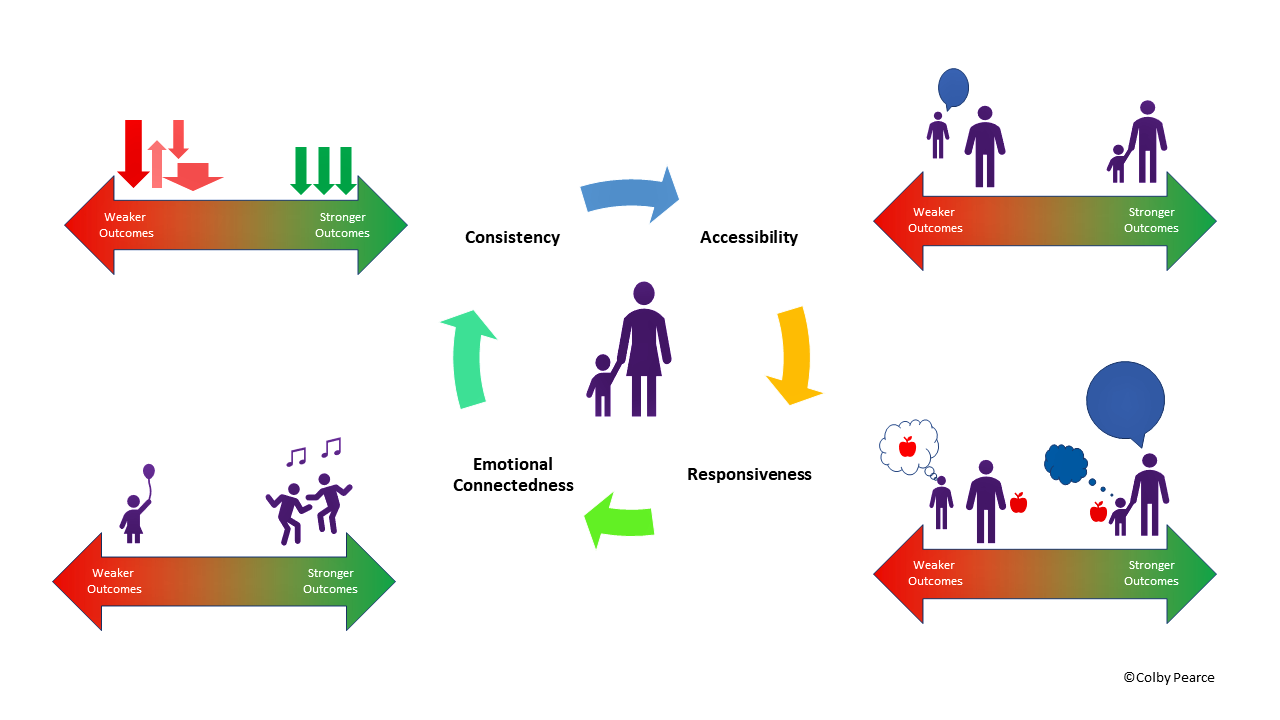
Since I began updating A Short Introduction to Attachment and Attachment Disorder in early 2016, the CARE Therapeutic Framework is the name I have used when referring to content and strategies associated with the CARE Model (Consistency, Accessibility, Responsiveness, Emotional … Continue reading →
Posted in AAA Caregiving, Adoption, Attachment, early learning, Fostering, kinship care, Parenting, training, Training Programs, Trauma, trauma informed, trauma informed care, trauma informed practice, Trauma Informed Schools, Uncategorized
|
Tagged attachment, child development, child welfare, childcare, early learning, Education, educator, kinship care matters, kinshipcare, kinshipcarematters, kinshipcarer, kinshipcarersmatter, mental health, post adoption support, residential care, residential childcare, resilience, self care, socialcare, teacher, therapeutic fostercare, therapeutic fostering, therapeutic parenting, wellbeing
|
Leave a comment
Child CARE: Our New Program for long day care and early learning centres
What is Child CARE? Child CARE is a four-session (plus optional call-back) interactive training program designed to support: Wellbeing Growth and development Optimal behaviour Recovery from adversity Among children in early-learning and long day-care. Child CARE offers a framework for … Continue reading →
Posted in AAA Caregiving, Adoption, Attachment, Children's Behaviour, Fostering, kinship care, Parenting, Training Programs, trauma informed, trauma informed care, trauma informed practice, Trauma Informed Schools
|
Tagged childcare, early learning, early learning centre, Education, long day care, therapeutic childcare, trauma informed, trauma sensitive
|
Leave a comment
Trauma Informed Resources
One of the most common types of feedback I hear from people who have attended training in the field of developmental trauma and trauma informed practice is that the training focuses heavily on what participants need to know and not … Continue reading →
Posted in Adoption, Attachment, Fostering, kinship care, Schools, trauma informed care, trauma informed practice, Trauma Informed Schools
|
Tagged Education, educator, schools, therapeutic care, therapeutic childcare, therapeutic foster care, therapeutic fostering, therapeutic parentng, trauma informed, trauma informed care, trauma informed practice, Trauma Informed Schools
|
Leave a comment
Trauma Informed Practice Resource for Schools
This resource represents an endeavour to support effective working connections between home and school in support of recovery or children who have experienced trauma at home. Continue reading →
How to achieve real progress in addressing childhood trauma
In the next few days I will be releasing a resource for supporting trauma-informed practice in schools. The resource complements the Triple-A Model of Therapeutic Care and the CARE Therapeutic Framework, which are currently being implemented in Australia and Ireland … Continue reading →
Posted in Training Programs, trauma informed, trauma informed care, trauma informed practice, Trauma Informed Schools
|
Tagged ACEs, attachment, attachment trauma, developmental trauma, Education, teacher, trauma informed, trauma informed care, trauma informed care principles, trauma informed practice
|
Leave a comment
A practical resource supporting trauma-informed practice at school
I am very pleased to announce that in association with the successful implementation of the Triple-A Model of Therapeutic CARE in TUSLA’s alternate care service in Donegal, Ireland, and the CARE Therapeutic Framework in the Kinship Care Program in South Australia, I have developed a complementary resource for trauma-informed practice in schools. Continue reading →
Posted in Schools, trauma informed practice, Trauma Informed Schools
|
Tagged attachment, edchat, edtech, Education, edutech, school, schools, teacher, teachers, trauma informed, trauma informed care, trauma informed practice
|
1 Comment
How to train : Some reflections
The training of carers of children in out-of-home-care (OOHC) and the social care professionals who support them is closely aligned. There is an emphasis on imparting what carers and professionals need to know (theory/ideas), and relatively less emphasis on what they … Continue reading →
Trauma-informed in South Australia: the Kinship CARE Project
As at September 2018 there were 1717 children in kinship care placements in South Australia, representing 46% of all children in out-of-home care with an authority for placement (Department for Child Protection Reporting and Statistics). Year-by-year statistics for the period … Continue reading →
Therapeutic Parenting : What is it?
Across a career spanning almost 25 years I have spent much of my time engaging with caregivers of deeply hurt and troubled children.
Caregivers of these children often ask: What can I do to help this child?
This is an interesting question.
Which of the following statements best reflects the answer you would like to receive to this question, were you asking it? … Continue reading →