
Colby Pearce
-
-

Supporting consistent Therapeutic Caregiving -

Companion App for Therapeutic Classrooms and alignment with home. A practical guide to Attachment & Attachment Disorder

Resilient Kids

Secure Start – Trauma Informed

Self-Paced Learning Modules

The CARE Curriculum
-

Sister Site
Tag Archives: parenting
A little extra Accessibility in tough times
Children first learn that we are accessible to them during infancy when we attend to them whether they are crying or quiet. Attending to infants whether they are crying or quiet provides experiences of their worth, of our proximity and … Continue reading
Posted in Uncategorized
Tagged childcare, educator, educators, fostercare, fostercarer, fostering, kinshipcare, kinshipcarer, kinshipcarers, mentalhealth, parent, parenting, parents, parentwellbeing, psychologist, resilience, school, schools, socialcare, socialwork, socialworker, teacher, teachers, traumainformed, wellbeing, youth worker
Leave a comment
A little extra consistency in tough times
We are experiencing remarkable times. The Coronavirus (COVID 19) has brought with it a great deal of uncertainty, for all of us. Uncertainty is stressful. Certainty allows us to predict what will happen, when it will happen, and how it … Continue reading
Posted in Uncategorized
Tagged adopter, adoption, child care, Child Protection, child welfare, Education, educator, foster care, fosteradopt, fostering, fostering and adoption, kinship care, kinship carer, parent, parenting, parenting tips, school, Social Work, social worker, trauma informed, youth work, youth worker
Leave a comment
A little extra CARE in tough times
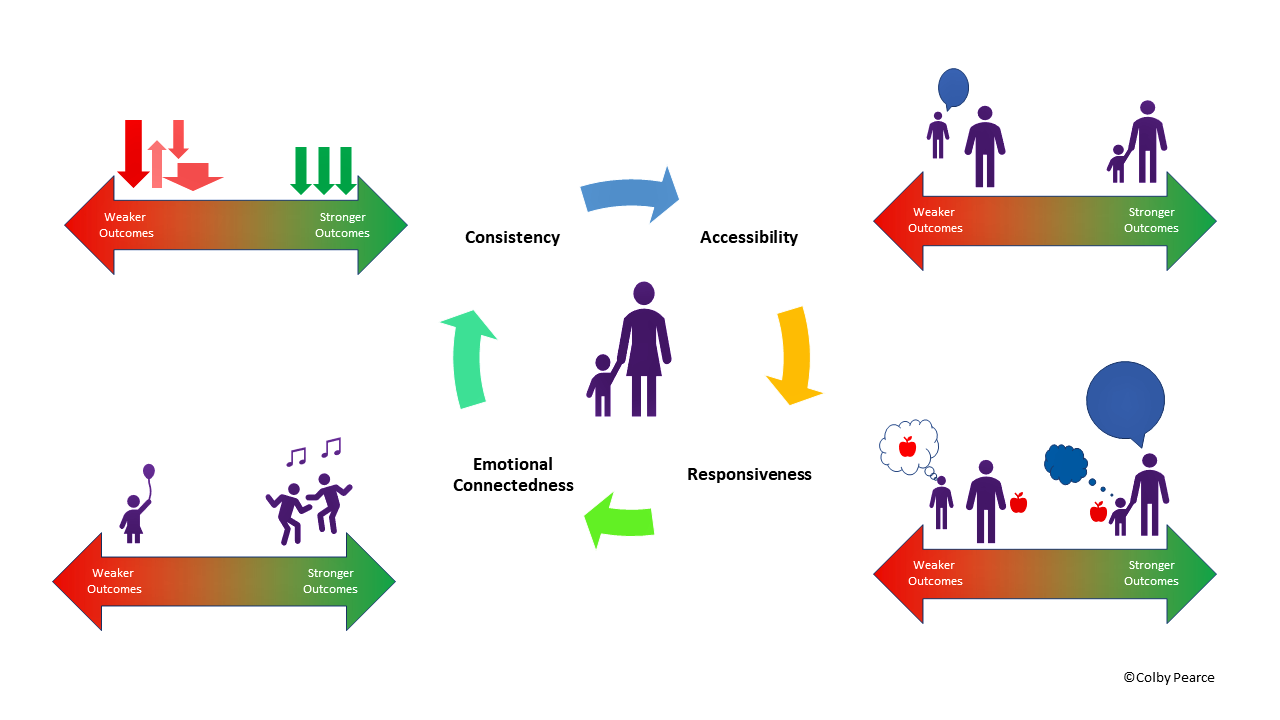
Hi everyone. In a follow-up to yesterday’s post, I thought I would provide a complementary infographic that acknowledges that in tough times children benefit from a little extra CARE also. This seems most apt in this most troubling of times. … Continue reading
A little extra CARE
Children recovering from early adversity, including trauma and other adverse events, need a little extra CARE from adults who interact with them in a care and management role. I have provided, below, a little infographic to highlight where to focus … Continue reading
Posted in Uncategorized
Tagged Child Protection, child welfare, childcare, disability, educator, educators, foster care, foster carer, kinship care, kinship carer, parenting, psychologist, psychology, Social Care, Social Work, socialworker, trauma informed, trauma informed care, trauma informed practice, trauma recovery, trauma sensitive
Leave a comment
Working with At-Risk Families: The Importance of Regulating Shame
In The Zahir, author Paulo Coelho tells the story of two firefighters who take a break from fighting a forest fire by a stream. The face of one of the firefighters is dirty and sooty. The face of the other … Continue reading
Posted in AAA Caregiving, Parenting, trauma informed, trauma informed practice
Tagged Child Protection, child welfare, connection, family, parenting, relationships, shame, therapeutic parenting, trauma informed, trauma informed practice, trauma responsive, trauma sensitive, wellbeing
Leave a comment
Five tips for supporting children impacted by natural disasters
This short article is a brief follow-up to Disaster Relief: Helping Children During (and After) Community Traumatic Events. Continue reading
Posted in Adoption, Fostering, kinship care, Parenting, Trauma, trauma informed, trauma informed care, Wellbeing
Tagged adoption, bushfires, child care, child development, early years, Education, educator, foster care, foster carer, kinship care, kinship carer, kinship carers, natural disasters, parent, parenting, parents, post adoption support, recovery, Social Care, trauma, wellbeing
1 Comment
Disaster Relief: Helping children during (and after) community traumatic events
An article for parents and caregivers by Colby Pearce, Clinical Psychologist, Secure Start®. Traumatic events include any adverse event that challenges, or overwhelms, a child’s normal feelings of safety and everyday coping capacity. Traumatic events often occur suddenly and without … Continue reading
Posted in Uncategorized
Tagged child welfare, community trauma, foster care, foster carer, kinship care, kinship carer, parent, parenting, psychology, resilience, Social Care, trauma, trauma informed, trauma informed care, trauma informed practice, trauma responsive, trauma sensitive, wellbeing
Leave a comment




 Attachment and Resilience